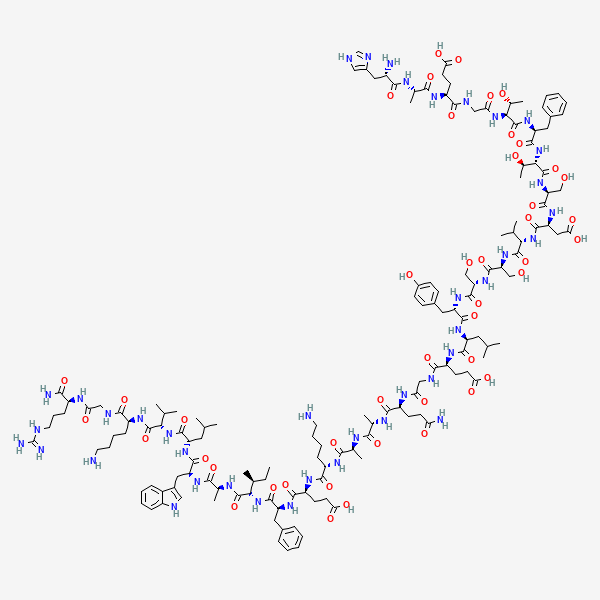
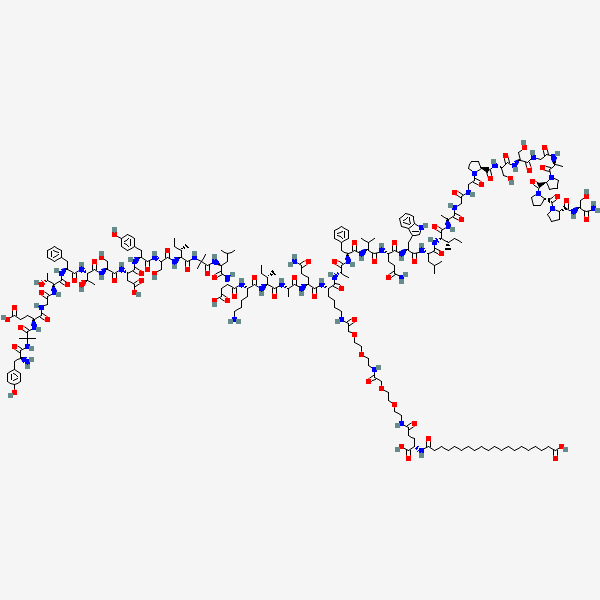
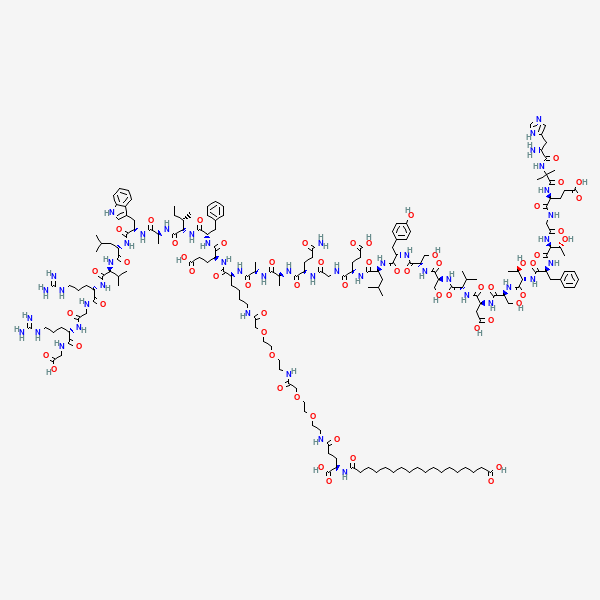
Amneal Recalls Exenatide Pens for Empty-Device Risk as ANDA Supplement Clears
Amneal Pharmaceuticals of New York is recalling exenatide injection prefilled pens under a Class II classification for the possibility of no medication in the pen, days before an FDA labelling supplement cleared on its synthetic exenatide ANDA.
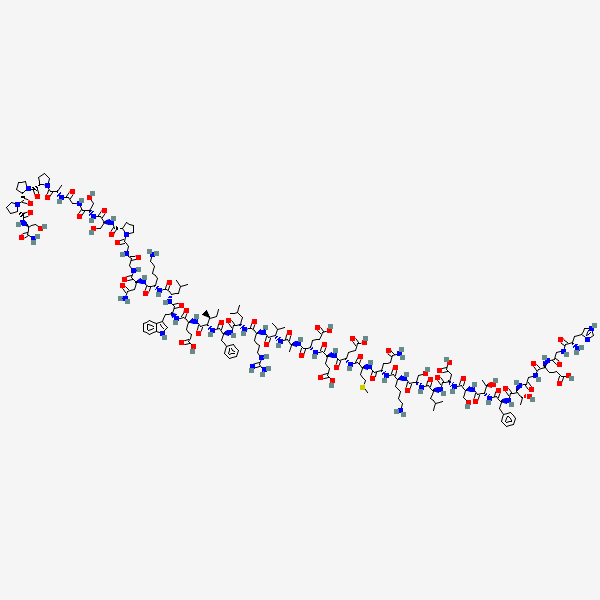
On 30 September 2026 the FDA posted a Class II recall covering Exenatide Injection, USP, 250 mcg/mL, 1.2 mL per prefilled pen, Rx Only, Subcutaneous Use Only, For Single Patient Use [4]. The reason given is a defective delivery system: the possibility of no medication in the prefilled pen [4]. The recalling firm is Amneal Pharmaceuticals of New York, LLC [4].
Two days later, on 2 October 2026, the FDA recorded an approved supplement to the labelling for EXENATIDE SYNTHETIC, marketed as EXENATIDE SYNTHETIC under application ANDA206697, with Amneal named as the sponsor [1][2][3].
The two records are separate regulatory events and the pack does not link them. What it does establish is that the same firm appears on both sides of the same molecule within three days: a device-level failure in a marketed prefilled pen presentation [4], and an approved change to the labelling of a synthetic exenatide abbreviated application [1].
What the recall actually says
The failure mode is unusually specific and worth reading literally. The classification is Class II [4]. The defect is categorised as a defective delivery system, and the stated consequence is the possibility of no medication in the prefilled pen [4].
That is a device and fill-integrity problem, not a chemistry problem. Nothing in the record describes an out-of-specification assay, an impurity finding, a sterility failure or a stability signal [4]. The product description itself is granular — 250 mcg/mL, 1.2 mL per pen, single patient use, subcutaneous [4] — which is the level of detail a quality unit needs to scope whether any material in its own chain of custody shares a presentation.
For anyone maintaining a supplier risk file, the distinction matters because it changes which controls you interrogate. An empty-pen defect points at assembly, fill volume verification and final device inspection, not at the peptide raw powder. A recall driven by a delivery-system defect and a recall driven by a degradant profile are different conversations with a supplier, and they sit with different functions.
The labelling supplement
The FDA supplement records are terse. All three entries state the same facts: active ingredient EXENATIDE SYNTHETIC, marketed as EXENATIDE SYNTHETIC, application ANDA206697, sponsor Amneal, dated 2 October 2026 [1][2][3]. The pack does not state what the labelling change contains.
Two things are nonetheless readable from the record. First, the active ingredient is designated as synthetic exenatide [1]. Second, the application is an ANDA — an abbreviated pathway — rather than a new application [2].
Beyond that, restraint is appropriate. A supplement notation without the supplement text does not tell you whether the change was safety-related, administrative, or a manufacturing-site matter, and the evidence here does not say [3].
Why a peptide sourcing function should read both
Exenatide sits in the GLP-1 receptor agonist family that has dominated peptide supply chains and analytical workload for several years. Our coverage of that class has concentrated on the chemistry side — impurity profiles and physical stability of follow-on versus originator material Novo Nordisk Study Finds Follow-On Liraglutide Less Physically Stable Than Originator — and on clinical readouts across semaglutide and tirzepatide GLP-1 Research Widens Past Weight Loss: Prostate Tumours, Cognition, GIPR Circuits. The Amneal records point at a different and less-discussed failure surface: the device that delivers the peptide.
Finished-dose presentation is where a substantial share of GLP-1 product risk has migrated. A prefilled pen is a combination product. The molecule can be entirely conforming and the unit can still deliver nothing, which is precisely the defect described here [4]. Qualification programmes built around raw powder identity, purity and related substances do not detect that.
The practical consequence for an EU buyer or QA reviewer is that supplier questionnaires covering a peptide in pen presentation need to reach past the raw powder dossier. The recall record names a delivery-system defect, not a substance defect [4], and a questionnaire that only asks about synthesis route, purification and impurity limits would not have surfaced it.
Reading FDA records from the EU
None of these entries are EU regulatory actions. They are FDA records: a US recall classification [4] and a US application supplement [1]. An FDA Class II recall does not of itself create any obligation in the EU and does not describe the status of any EU-authorised exenatide product.
They are still useful as early signal. Where a firm is active in both markets, a device-level defect identified in one jurisdiction is a reasonable prompt to ask, internally, whether the same presentation, the same assembly line or the same component supplier appears anywhere in your own chain. The openFDA record gives you enough product description to ask the question precisely [4].
The sequencing is also worth logging rather than interpreting. A Class II recall on 30 September [4] and an approved labelling supplement on 2 October [1] are close together in time and attached to the same firm and the same molecule. The pack supports noting that. It does not support asserting a causal relationship between them, and nothing here should be written up as one.
What to do with it
Three concrete actions follow from the record as it stands.
- Scope exposure against the exact product description in the recall notice — 250 mcg/mL, 1.2 mL prefilled pen, single patient use [4] — rather than against the molecule name alone.
- Treat the defect category as a device question. The stated failure is possibility of no medication in the pen [4], which routes to device and fill-finish controls.
- Note ANDA206697 and the synthetic exenatide designation [1] in the supplier file, and flag the supplement for follow-up when the labelling text itself becomes available, since the record as published does not disclose what changed [2].
For material in the research and qualification chain, the lesson is narrower but holds: the specification that matters is the one for the presentation you actually receive, and for peptides in device formats the delivery system is part of that specification. The Amneal recall is a reminder that a conforming peptide in a non-conforming pen is still a failed unit [4].
References
- AMNEAL. FDA — Supplement approved · Labeling: EXENATIDE SYNTHETIC (AMNEAL) — openfda, 2026-10-02.
- AMNEAL. FDA — Supplement approved · Labeling: EXENATIDE SYNTHETIC (AMNEAL) — openfda, 2026-10-02.
- AMNEAL. FDA — Supplement approved · Labeling: EXENATIDE SYNTHETIC (AMNEAL) — openfda, 2026-10-02.
- Amneal Pharmaceuticals of New York, LLC. FDA recall (Class II) — Exenatide Injection, USP, 250 mcg/mL, 1.2 mL per prefilled pen, Rx Only, Subcutaneous Use Only, For Single Patient Use O — openfda, 2026-09-30.