
Low-Dose Tirzepatide Matched 5 mg on Weight Loss in a 112-Patient Japanese Cohort
A non-randomised Japanese cohort found 2.5 mg and 5 mg tirzepatide produced statistically indistinguishable weight loss at six months, with fewer adverse events at the lower dose — one of several late-July reports reframing where the dual agonist's dose ceiling sits.
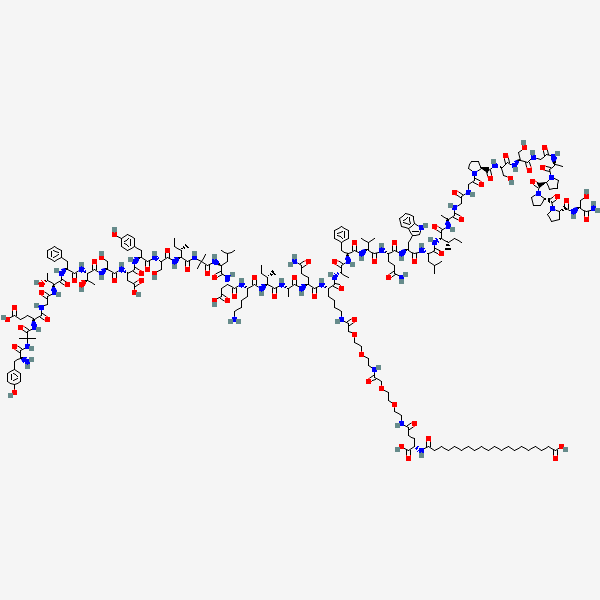
A multicentre prospective cohort study in non-diabetic Japanese adults reported that 2.5 mg and 5 mg weekly tirzepatide, combined with lifestyle intervention, produced statistically indistinguishable weight loss at six months [7]. Of 112 participants analysed — 58 on 2.5 mg and 54 on 5 mg — the primary outcome was achieved in 62.1% and 63.0% respectively (HR 0.93, 95% CI 0.58–1.49; p = 0.772) [7]. Mean percent weight loss was −15.3% and −16.1% (p = 0.563), with similar reductions in BMI, skeletal muscle mass and bone mass [7].
The tolerability difference went the other way. Adverse events were more frequent with 5 mg (50% versus 35%), primarily gastrointestinal symptoms [7]. The authors conclude that these findings support the potential utility of low-dose tirzepatide strategies in real-world practice [7].
The study was non-randomised: patients started at 2.5 mg weekly and, after four weeks, either stayed there or escalated to 5 mg by shared decision-making [7]. Baseline characteristics were reported as well balanced, with a mean BMI of 30.8 kg/m² [7]. Eligibility required a BMI ≥ 30 kg/m², or ≥ 27 kg/m² with comorbidities, in adults aged 18–65 [7]. Everyone received standardised dietary and exercise counselling; dietary adherence was 96.4% and exercise adherence 37.5% [7].
For anyone qualifying tirzepatide material or building an analytical reference set, the practical signal is that the dose range under active clinical study is widening downward, not upward, and that the comparator arms are becoming lifestyle programmes rather than placebo.
Dose escalation appears in the registry record too
A quasi-experimental interventional study registered by Akhtar Saeed Medical and Dental College sets once-weekly subcutaneous tirzepatide plus standard oral antidiabetic therapy against standard therapy alone in obese patients with type 2 diabetes [6]. Fifty-two participants will be randomly allocated to two groups, with the tirzepatide arm starting at 2.5 mg monthly, increasing to 5 mg, and maintaining at 7.5 mg [6]. The study is six months long and is listed as NOT_YET_RECRUITING, with no assigned phase [6].
The stated rationale is geographic. The sponsor notes that real-world data on efficacy, safety and patient-reported satisfaction in South Asian populations, particularly in Pakistan, remains limited [6]. Primary evaluations are change in HbA1c and body weight from baseline to six months; secondary objectives include fortnightly monitoring of gastrointestinal side-effect frequency and severity, and treatment satisfaction at six months on the Diabetes Treatment Satisfaction Questionnaire [6].
A separate pilot at Texas Tech University is recruiting 27 adults aged 18 and over with a BMI of 27.5 or higher, split between those starting semaglutide or tirzepatide prescribed by their own doctor and those seeking weight management without medication [1]. Both groups are assessed at baseline and again at three months, with weight, body composition, blood pressure and resting metabolic rate measured at each visit [1]. The blood draw covers cholesterol, blood sugar, insulin, appetite hormones, and liver and kidney function markers, plus RNA sequencing and metabolite analysis [1]. Among the stated goals is whether the two approaches produce different changes in appetite-related hormones — ghrelin, GLP-1, insulin, leptin and peptide YY — and in gene expression and metabolic profiles [1]. The lifestyle arm attends three individual counselling sessions [1]. It is listed as interventional with no assigned phase, sponsored by Texas Tech University [1].
Two safety case reports and one systematic review
Iqbal, Javed and Oyibo reported in Europe PMC the case of a 75-year-old woman with type 2 diabetes, hypertension, obesity, chronic kidney disease, and post-surgical hypothyroidism and hypoparathyroidism, who presented with severe symptomatic hypercalcemia one month after starting tirzepatide while taking bendroflumethiazide, calcium carbonate and alfacalcidol [4]. Her serum calcium had been in the normal treatment range before initiation, and other causes were ruled out; levels normalised after intravenous fluid therapy and withholding tirzepatide, bendroflumethiazide and calcium carbonate [4]. The authors state that tirzepatide's effect on calcium homeostasis has not been well reported and suggest serum calcium monitoring in similar clinical scenarios [4].
Nejat and colleagues reported a case of tirzepatide-specific hypersensitivity in a 25-year-old woman with class I obesity (BMI 32.25) who tolerated three months of escalation from 2.5 mg through 7.5 mg, losing approximately 20 lbs, then developed episodic lip angioedema and generalised urticaria over four days after her first 10 mg dose [8]. Percutaneous skin testing to tirzepatide was negative but intradermal testing at 1:10 dilution was positive (8 mm wheal, 8 mm flare) [8]. Intradermal testing to semaglutide was negative, a supervised subcutaneous challenge with semaglutide 0.25 mg was tolerated, and the patient continued on semaglutide without recurrence [8]. That case sits alongside the broader widening of GLP-1 research beyond metabolic endpoints we have tracked GLP-1 Research Widens Past Weight Loss: Prostate Tumours, Cognition, GIPR Circuits.
On intake, a systematic review and meta-analysis by Quan, Nguyen and Nguyen searched six databases through 31 March 2026 and pooled four arms from three trials (209 participants) [5]. The pooled treatment difference in ad libitum lunch energy intake was −1132 kJ (95% CI −1449 to −815), approximately −271 kcal, with no heterogeneity (I² = 0%) [5]. Adding an exploratory three-week phase 1 tirzepatide trial increased the effect to −1421 kJ but introduced substantial heterogeneity (I² = 70%) [5]. The semaglutide-versus-tirzepatide difference was not significant (p = 0.154) [5]. Sixteen studies were included in the systematic review overall [5].
The receptor question is still open
Nauck and co-authors write that tirzepatide is the most effective incretin-based drug to date, engaging both GLP-1R and GIPR, and that the relative contributions of GIPR and GLP-1R actions to its clinical effects have not been established [2]. That unresolved attribution is what has reignited interest in GIPR agonism as a target in its own right, including both agonists and antagonists [2].
Work in the same week goes a receptor further. Vishnoi and colleagues report an in silico design effort for single-molecule peptides with triple-receptor agonist activity across GIPR, GLP-1R and GCGR, using sequence-derived mutagenesis and long repeat molecular simulations with effective binding enthalpy calculations [3]. The designed peptides are predicted to show a balanced, highly favourable binding enthalpy profile across all three receptors relative to endogenous and experimental reference peptides, and were further engineered by substituting sites prone to proteolytic cleavage [3]. The authors frame this as a computational design strategy supporting future work on reduced gastrointestinal adverse effects and lower-dose oral formulations [3].
What this changes for sourcing and qualification
Three things follow for anyone specifying tirzepatide reference material in the EU. First, the analytical window is moving down: if 2.5 mg is being studied as a maintenance dose rather than a titration step [7], assay and impurity work needs to be credible at the low end of the range, not just at label maxima. Second, the class comparison is now cross-molecule at the individual-patient level — intradermal testing distinguished tirzepatide from semaglutide in one documented case [8] — which puts a premium on molecule-specific identity confirmation rather than class-level assumptions. Third, the design literature is already pointing past the dual agonist toward tri-agonist scaffolds engineered for proteolytic stability [3], and characterisation methods qualified today will need to survive that shift.
None of the studies here are large. The Japanese cohort was non-randomised [7], the Texas Tech study is a 27-participant pilot [1], the Pakistani study has not begun recruiting [6], and the safety findings are single cases [4][8]. Read them as a direction of travel rather than as settled evidence.
References
- Texas Tech University. Tirzepatide Impact Assessment Study — clinicaltrials_gov, 2026-07-31.
- Nauck M, Gribble F, Reimann F, D'Alessio DA, Campbell JE.. Clinical Potential of GIP in Type 2 Diabetes and Obesity — europepmc, 2026-08-01.
- Vishnoi S, Hudson S, Bhattacharya S, Thompson D.. Design of a metabolically-stable peptide therapeutic with triple-hormone-receptor agonist activity — europepmc, 2026-07-30.
- Iqbal S, Javed F, Oyibo SO.. A Case of Severe Hypercalcemia in a Patient Taking Tirzepatide: Potential Risk Factors — europepmc, 2026-07-26.
- Quan AT, Nguyen HL, Nguyen TMT.. Nutritional intake changes during GLP-1 receptor agonist therapy: A systematic review and meta-analysis — europepmc, 2026-07-25.
- Akhtar Saeed Medical and Dental College. Efficacy, Safety, and Treatment Satisfaction of Once-Weekly Tirzepatide in Obese Type 2 Diabetic Patients — clinicaltrials_gov, 2026-07-27.
- Amioka M, Amioka H, Kinoshita H, Sairaku A, Nakano Y.. Low-Dose Tirzepatide for Obesity: Comparative Efficacy of 2.5 mg Versus 5 mg in Non-Diabetic Japanese Adults — europepmc, 2026-07-28.
- Nejat C, Lin R, Addo D, Cuenca-Sisko K, Lee-Wong M.. Hypersensitivity Reaction to Tirzepatide With Demonstrated Tolerance to Semaglutide: A Case Report — europepmc, 2026-07-22.