GIPR mRNA Shows Up in Human Myotubes Where GLP-1R Barely Does
A fortnight of November reports keeps running into the same problem: the receptor expression underpinning incretin pharmacology does not match the textbook account. GIPR was detectable in every myotube donor; GLP-1R mRNA was not detectable at all.
Sloučeniny v tomto článku
Retatrutide€164/g≈-6.4% 7d≈-8.2% 30d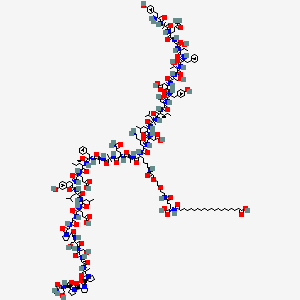
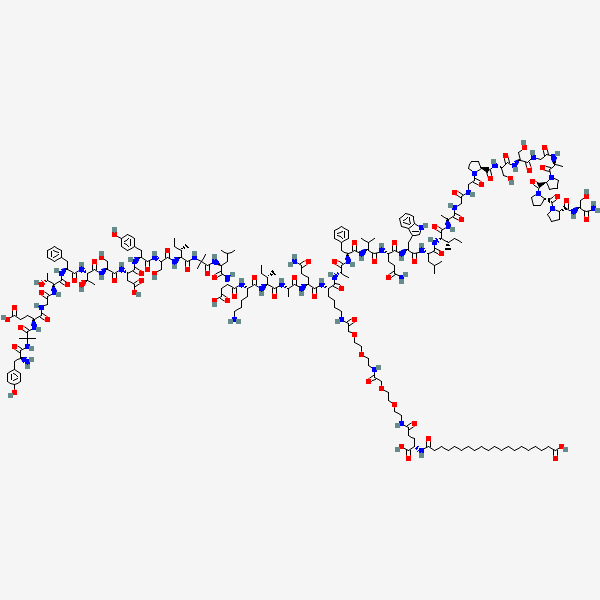
Across a two-week run of Europe PMC entries in early November, the GIP receptor keeps turning up in places where the standard mechanistic story says it should not be — and failing to turn up where that story says it should. For anyone qualifying GIP-related research material or writing a specification that references receptor pharmacology, the practical message is that the expression data underneath the field are still being contested in print.
The sharpest example is a study of primary human skeletal muscle. Myoblasts were isolated from older adults with obesity undergoing orthopaedic surgery, and receptor expression was characterised by RT-qPCR and flow cytometry [7]. GIPR mRNA was consistently detected across all donors; GLP-1R mRNA was undetectable by PCR, although LUXendin645 flow cytometry in a subset of three donors identified low-level surface GLP-1R protein in 51–66% of myoblasts [7].
That asymmetry matters because the muscle question is a safety question. GLP-1 and GIP/GLP-1 receptor agonists produce substantial weight loss in clinical trials, but significant loss of lean body mass is reported, and whether that reflects a direct pharmacological effect on skeletal muscle or an indirect consequence of caloric restriction and reduced mechanical loading is unknown [7].
The answer the study gives is negative in the useful sense. Neither semaglutide nor GIP altered atrophy-related gene expression or the secretome, with no proteins reaching significance [7]. Semaglutide reduced glycolytic and total ATP production rates with reduced lactate secretion, suggesting modest suppression of glycolytic flux, while mitochondrial parameters were unaffected [7]. Neither treatment impaired myotube thickness or differentiation, and GIP increased myotube thickness after 8 days [7]. Lean mass has been a recurring theme in the incretin review literature we have tracked Weight Regain, Lean Mass and Hair Loss Dominate a Week of Incretin Reviews.
The same antibody problem, one tissue over
The review notes that tirzepatide, a dual GIP and GLP-1 receptor agonist, lowers high-sensitivity C-reactive protein by 29–55% across randomised trials in obesity, heart failure with preserved ejection fraction and obstructive sleep apnoea, and interleukin-6 by 25–30% at 72 weeks [1].
Much of that is not weight-mediated. In SURPASS-4 the fall in hsCRP correlated with the fall in body mass index at r = 0.07, and mediation analysis of semaglutide trials attributes only 21–62% of its hsCRP effect to change in glycated haemoglobin and/or weight [1].
The review's argument is that the usual explanation — incretin receptors on macrophages and T lymphocytes signalling through cyclic AMP to restrain nuclear factor-κB — is not supported by the best-controlled data [1]. The principal antibody used to detect the T-cell GLP-1 receptor gives signal in receptor-null cells; Glp1r is undetectable by quantitative PCR in peritoneal and adipose macrophages; and haematopoietic receptor deletion does not abolish semaglutide's anti-atherosclerotic effect [1]. The author proposes a three-route model graded by evidence: limited direct signalling in a few validated lymphocyte populations, a central neuro-immune relay, and a large indirect metabolic contribution [1]. That adipose macrophages are refractory to tirzepatide while Kupffer cells respond, and that C-reactive protein is hepatocyte-derived, points to a substantially hepatic rather than adipose effect [1].
Two independent groups, two tissues, the same finding: reagent validation, not receptor biology, is setting the limit on what can be claimed. Both are secondary reports rather than regulatory record, but both make the same operational point — a detection method that has not been shown to behave in receptor-null material cannot be used to assert target engagement.
Clinical readouts keep arriving regardless
The mechanistic uncertainty has not slowed the development pipeline. Two phase 3 trials of retatrutide, an investigational triple agonist of GIP, GLP-1 and glucagon receptors, randomised 445 participants in TRIUMPH-4 and 574 in TRIUMPH-1-OA, in adults without diabetes who had painful knee osteoarthritis and a body-mass index of at least 27 [3]. At 68 weeks the mean changes in WOMAC pain score under the hybrid-treatment estimand were −3.96 on 9 mg and −3.74 on 12 mg, against −2.12 with placebo [3]. The differences versus placebo were −1.83 (95% CI, −2.37 to −1.30) and −1.61 (95% CI, −2.16 to −1.07) [3]. The trials were funded by Eli Lilly [3].
On the delivery side, a phase 1 report describes NNC0130, a fatty-acylated GLP-1R/GIPR dual agonist with in vitro potency comparable to semaglutide at human GLP-1R and to tirzepatide at human GIPR, and a chemical structure compatible with semi-recombinant production [6]. Its human half-life was 76–89 h [6]. Daily subcutaneous dosing escalating from 0.3 to 3.0 mg gave placebo-corrected mean weight loss of 9% at 12 weeks and 12% at 15 weeks; daily oral dosing escalating from 5 to 50 mg gave 4% at 12 weeks, not statistically significantly different from zero, with relative oral bioavailability estimated at 1.6–2.2% versus subcutaneous when co-formulated with sodium N-(8-[2-hydroxybenzoyl]amino)caprylate [6]. We covered that readout when it landed Oral GLP-1R/GIPR Dual Agonist NNC0130 Loses 4% to Injection's 12%.
Upstream and population-level work
A non-peer-reviewed preprint from the Fenland Study reports genome-wide and exome-based rare-variant analysis of immunoassay-measured GIP, GLP-1 and glucagon at fasting and 120 minutes post-oral glucose load [5]. It identifies 16 GWAS associations, 5 at T0 and 10 at T120, and highlights ANO1 with GIP (T120−T0); cAMP-stimulated GIP secretion was abolished in ANO1 knockout duodenal organoids [5]. Rare-variant analysis identified 6 associations including GCGR [5]. This sits alongside earlier genetic work on GIP direction-of-effect that we have reported Genetic Analysis Argues for Lower GIP While Tirzepatide Agonises the Receptor.
Secretion is also being targeted directly. A medicinal chemistry report describes novel GPR119 agonists, GPR119 being a target of interest for promoting GLP-1, GIP and glucose-dependent insulin secretion; compound 18f showed EC50 = 12.6 nM in the hGPR119-cAMP functional assay and a 33.3% hypoglycaemic effect in an oral glucose tolerance test, with a 175.9% enhancement of total GLP-1 levels at 10 mg/kg [8].
Two further reports address use rather than biology. A non-peer-reviewed narrative review on nutritional management of gastrointestinal adverse effects notes that these effects — nausea, vomiting, dyspepsia, constipation, diarrhoea, abdominal bloating — are often observed in early treatment and during dose escalation, and that available dietary recommendations remain fragmentary and inaccurate [2]. A cross-sectional survey of 445 women in Kuwait found 132 (29.7%) reported previous or current GLP-1/GIP-based medication use, with awareness highest for tirzepatide (88.6%) and semaglutide (73.4%), social media the most frequently reported information source overall at 56.0%, and healthcare professionals cited by 57.6% of users versus 10.2% of never or considering users [4].
What to take into a specification
For EU buyers and QA staff handling GIP, GIP analogues or dual-agonist reference material, the November record supports a narrow but firm position. Where a supplier's documentation asserts target engagement in a tissue, ask which detection method produced it and whether it was tested in receptor-null material — that is precisely the control that failed for the T-cell GLP-1 receptor antibody [1].
References
- Jabbar AD. Tirzepatide and inflammation: a critical reappraisal of the immunometabolic case for incretin-based therapy — europepmc, 2026-11-14.
- Baldassari G, Siragusa N, Ferrario L, Rota B, Passera L, De Tommaso C, Romano RD, Pozzi L, Mascaretti F, Roncoroni L, Cinque F, Dell’Era A, Scricciolo A, Lombar. Nutritional Strategies for Managing Gastrointestinal Adverse Effects Associated with GLP-1 Receptor Agonist and Dual GIP/GLP-1 Receptor Agonist Therapy: A Narrative Review with Practical Recommendations — europepmc, 2026-11-13. (preprint — not peer reviewed)
- Schnitzer TJ, Hunter DJ, Conaghan PG, Sharma AM, Pedersen SD, Chen K, Park SY, Makarova N, Giblin K, Forrester T, TRIUMPH-4 and TRIUMPH-1-OA Investigators. Retatrutide Once Weekly in Adults with Knee Osteoarthritis Pain and Obesity — europepmc, 2026-11-08.
- Alharbi M, Alshammari M, Alkazemi A. Knowledge, Perspectives, and Experiences of Women in Kuwait Regarding GLP-1/GIP-Based Medications for Weight Management: A Cross-Sectional Study — europepmc, 2026-11-09.
- Wareham NJ, Desoki RA, Murzynowski J, Stewart ID, Day F, Luan J, Kerrison N, Kentistou KA, Antypa M, Hodkinson T, Kaimakis V, Davison A, Aleksashina S, Rogers G. Genetic architecture of incretin and glucagon regulation revealed by genome and exome-wide analysis in the Fenland cohort — europepmc, 2026-11-09. (preprint — not peer reviewed)
- Mowery SA, Knerr PJ, Hjøllund KR, Nissen B, Olsen AK, Wilkens TL, Jakobsen LHK, Hollesen C, Breusova K, Sorrell J, Perez-Tilve D, Finan B, DiMarchi RD, de la Co. Discovery, optimization, and phase 1 evaluation of a novel, orally available GLP-1R/GIPR dual agonist — europepmc, 2026-11-03.
- Ditchfield C, Macleod M, Price JMJ, Davis ET, Jones SW. GLP-1 and GIP receptor agonism does not directly drive skeletal muscle atrophy or impair myogenesis in primary human myotubes — europepmc, 2026-11-04.
- Min J, Kim J, Moon K, Kim M, Suh DH, Lee J, Ko M, Lee J, Han Y, Jang I, Park GT, Yang HM, Min J, Lee S, Rakshit A, Han SB, Singh P, Lee C, Kim IS. Discovery of Novel GPR119 Agonists with Improved Kinetic Solubility and Drug-like Properties for Type 2 Diabetes Treatment — europepmc, 2026-11-01.