Real-World GLP-1 Papers Converge on One Thing: How Treatment Is Delivered
A week of October papers on semaglutide and tirzepatide in routine care shares a single finding: initiation dose, titration protocol and counselling determine persistence more than the molecule does.
Sloučeniny v tomto článku
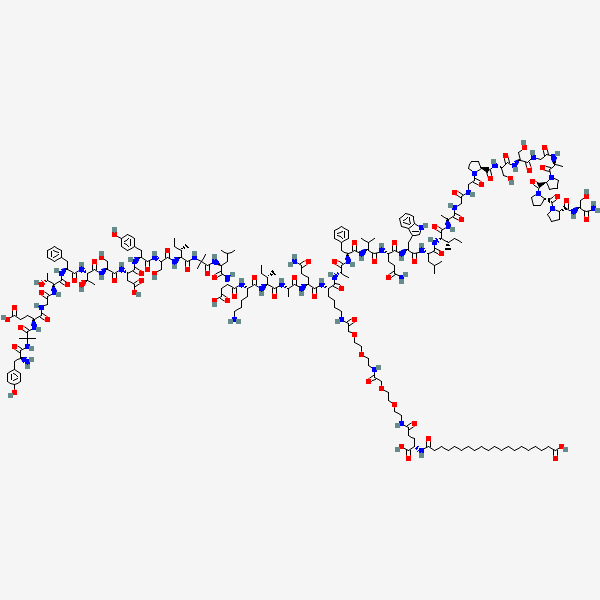
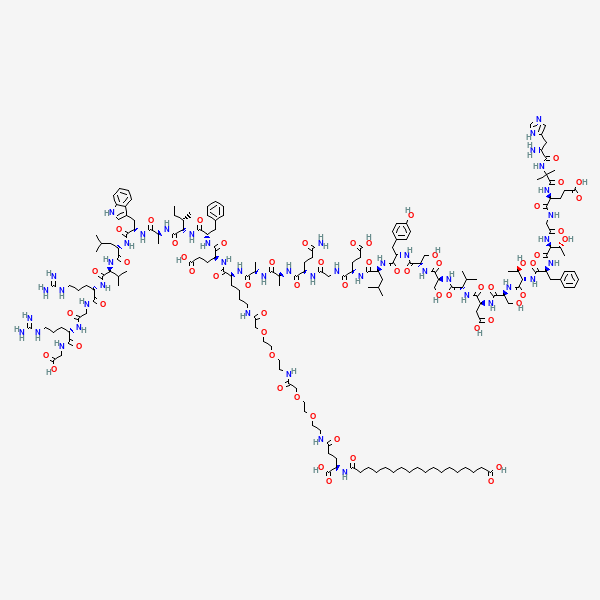
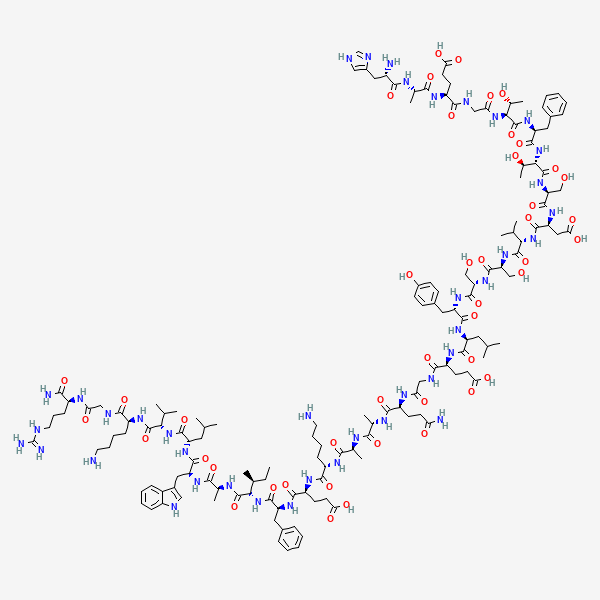
Retatrutide€164/g≈-6.4% 7d≈-8.2% 30d
Read together they point at the same variable: not which agonist, but how it is started, titrated and explained.
The largest is a retrospective MarketScan cohort of 48,658 US adults with diabetes and/or obesity, no prior incretin therapy, starting injectable semaglutide between 2018 and 2021 [1]. The authors categorised the initiating dose as low (≤ 0.5 mg/week) or high (≥ 1.0 mg/week) and followed treatment status for twelve months [1]. 14.5% of the cohort were started on high doses [1]. That off-label high-dose regimen was associated with decreased 1-year persistence (p = 0.01) and a 25% increase in early discontinuation risk (HR 1.25, 95% CI 1.17–1.34) [1]. The conclusion is explicit that high-dose initiation is a modifiable risk factor [1].
The counter-case: a protocolised programme
If unprotocolised initiation costs persistence, the inverse experiment is a programme that protocolises it. A prospective 12-month pre-post effectiveness study at a US urban academic outpatient cardiology clinic evaluated a nurse practitioner-led programme for GLP-1 receptor agonist initiation in obesity-related heart failure with preserved ejection fraction [4]. The intervention comprised registry-based identification, baseline assessment, patient education, protocolized titration and longitudinal follow-up, with each participant's own 12-month pre-enrolment period as comparator [4].
Of 156 enrolled, 128 (82.1%) completed follow-up; mean age was 67.4 ± 11.2 years, 61.7% female, 43.8% Black [4]. GLP-1 RA use rose from 7.8% to 92.2%, with 87.5% at target dose [4]. Mean weight fell 6.2 ± 3.8 kg, the Kansas City Cardiomyopathy Questionnaire Clinical Summary Score improved 16.6 ± 11.3 points, and 6-minute walk distance rose 48.3 ± 36.2 m [4]. The authors note that uptake of GLP-1 RAs in routine cardiovascular practice is inconsistent despite randomised evidence of symptom and weight benefit [4].
The two studies describe the same lever from opposite ends.
Function, not just weight
A Japanese retrospective observational study followed 22 adults with obesity and musculoskeletal disorders through a 12-month multidisciplinary programme combining nutritional counselling every two months, physical therapist-guided exercise and semaglutide [5]. Body weight fell from 89.2 ± 18.6 kg to 81.5 ± 17.3 kg and usual gait speed improved from 0.77 ± 0.20 m/s to 0.91 ± 0.19 m/s, both p < 0.001 [5]. Pain scores also improved significantly [5].
The interesting result is the absence of correlation. Gait speed improvement was not associated with weight loss (r = 0.22, p = 0.32) or with pain reduction (r = −0.04, p = 0.84) [5]. Baseline gait speed was inversely associated with improvement (r = −0.44, p = 0.043), meaning the largest gains went to those who started least mobile [5]. With 22 completers, the study is small, and the authors present it as real-world observational work rather than a controlled comparison [5].
The adherence tax of visible side effects
Two dermatology reviews from the same window address side effects that rarely appear in efficacy endpoints but bear directly on whether patients stay on therapy. A narrative review of hair loss associated with semaglutide, tirzepatide and retatrutide reports prevalence ranging from 3 to 7% in controlled trials to over 70% in real-world cohorts [2]. Telogen effluvium is the predominant phenotype, driven primarily by the magnitude and velocity of weight loss rather than drug toxicity [2]. Tirzepatide shows stronger associations with hair shedding than older GLP-1 RAs, and pharmacovigilance data show inconsistent but significant signals for semaglutide and tirzepatide, with reporting odds ratios indicating drug-associated risk [2]. Female sex and weight reduction greater than 10% were the most robust predictors [2]. The review also records paradoxical improvements in androgenetic alopecia and inflammatory scarring alopecias, likely mediated by metabolic normalisation and anti-inflammatory effects [2]. Its conclusion is that the effect is predominantly transient and reversible but that its psychological impact can compromise treatment adherence [2].
A parallel review on "Ozempic face" examines the anatomical and histological basis of volume deflation, skin laxity and loss of structural support following rapid weight loss, with attention to dermal white adipose tissue, skeletal remodeling and sarcopenia [7]. It outlines a framework for patient assessment and counselling and addresses the timing and sequencing of interventions across the weight loss journey, emphasising tissue preservation [7]. The review notes GLP-1 receptor agonists are expanding into new therapeutic indications including inflammatory skin diseases [7].
Both reviews land on counselling as the intervention.
Delivery route as a study endpoint
Memorial Sloan Kettering Cancer Center has a phase 4 interventional study recruiting with a planned enrolment of 40, designed to see whether people with kidney cancer prefer immunotherapy delivered intravenously or subcutaneously, and whether it is practical for participants to receive labs at home and hold a telehealth visit before treatment day [3]. Interventions listed are nivolumab injectable product, nivolumab, pembrolizumab injection and pembrolizumab [3]. It is a different therapeutic area entirely, but it formalises the same question the GLP-1 literature is circling: route and logistics as a measured outcome rather than a fixed condition.
What this means for qualification work in the EU
None of these papers change a specification. Anyone assembling a dossier or a literature review on semaglutide or tirzepatide should read trial adverse-event tables as a floor, not an estimate [2].
The dose signal carries further. Comparative effectiveness claims built on observational cohorts inherit whatever initiation behaviour the underlying population exhibited. That is worth checking before such data support any argument about one agonist over another.
Separately, work on peptide analytics continues in a direction that touches qualification more directly. A systematic review of MALDI-TOF MS serum peptidome profiling for lung cancer detection found 14 qualifying studies with a high degree of methodological heterogeneity, particularly in pre-analytical factors [6]. Some discriminatory peaks were reproducible across studies, but the authors call for prospective studies using standardised protocols and larger independent cohorts before clinical implementation [6]. The pre-analytical variability finding is familiar territory for anyone who has tried to reconcile peptide analytical data across sites Three October Papers Pull at the Edges of Fmoc Solid-Phase Peptide Synthesis.
References
- Belalcazar LM, Gao D, Modi S, Meer A, Kuo YF.. Real-World Semaglutide Initiation Behaviours in the United States: Impact on Early Treatment Discontinuation and on 1-Year Persistence — europepmc, 2026-10-19.
- Leite Júnior AC, Ribeiro Junior HL.. GLP-1 receptor agonists and hair loss: adverse effect, epiphenomenon, or therapeutic paradox? — europepmc, 2026-10-14.
- Memorial Sloan Kettering Cancer Center. A Study of Treatment Delivery Preference In People With Kidney Cancer — clinicaltrials_gov, 2026-10-16.
- Cline L.. Nurse Practitioner-Led Integration of Glucagon-Like Peptide-1 Receptor Agonists in Patients With Obesity-Related Heart Failure With Preserved Ejection Fraction: A Prospective Clinical Effectiveness Study — europepmc, 2026-10-13.
- Tomita M, Harashima F, Takeda N, Ishida C, Nagasaki K, Kikuchi K, Hisamichi K.. Changes in Gait Speed During a 12-Month Multidisciplinary Obesity Management Program Including Semaglutide: A Real-World Observational Study in Japanese Adults With Musculoskeletal Disorders — europepmc, 2026-10-15.
- Moonmuang S, Orrapin S, Udomruk S, Yongpitakwattana P, Kovavisarach A, Pruksakorn D, Tantraworasin A, Chaiyawat P.. Serum peptidome signatures as diagnostic biomarkers of lung cancer: A systematic review — europepmc, 2026-10-17.
- Fathizadeh S, Hwang AS, Hoss E.. "Ozempic Face" and Facial Aging — europepmc, 2026-10-10.
- Li Y, Wu X, Wang H, Zhang H.. Autofluorescence-free detection of trypsin based on persistent luminescent nanospheres and gold nanoparticle aggregation — europepmc, 2026-10-15.