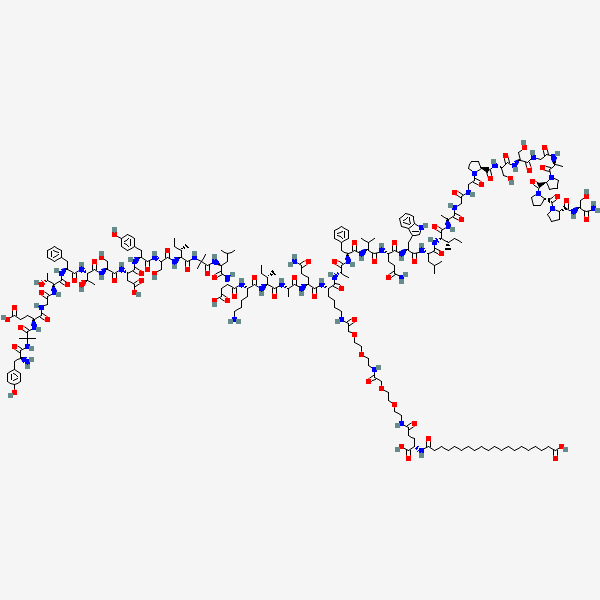
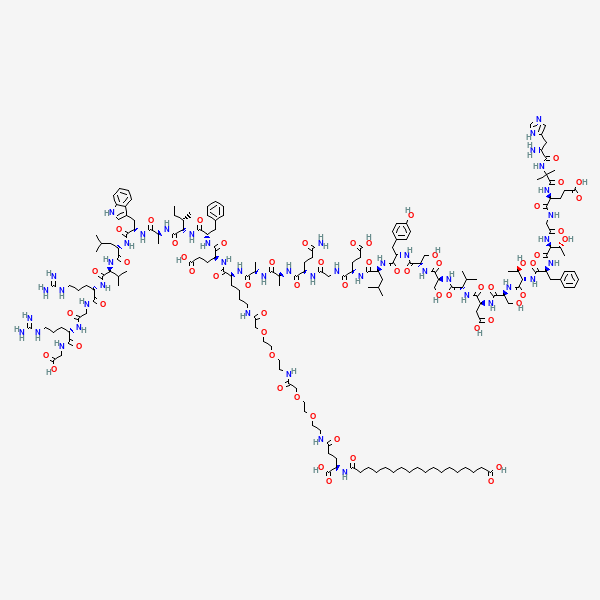
A GLP-1 Metabolite With No Receptor Binding Improves Cardiac Function in Mice
A mouse study of GLP-1(9-37), the DPP-4 cleavage product that does not bind the classical GLP-1 receptor, reports reduced septal thickness and fibrosis via AMPK/PGC1α — one of several mid-November papers detaching GLP-1 effects from the receptor.
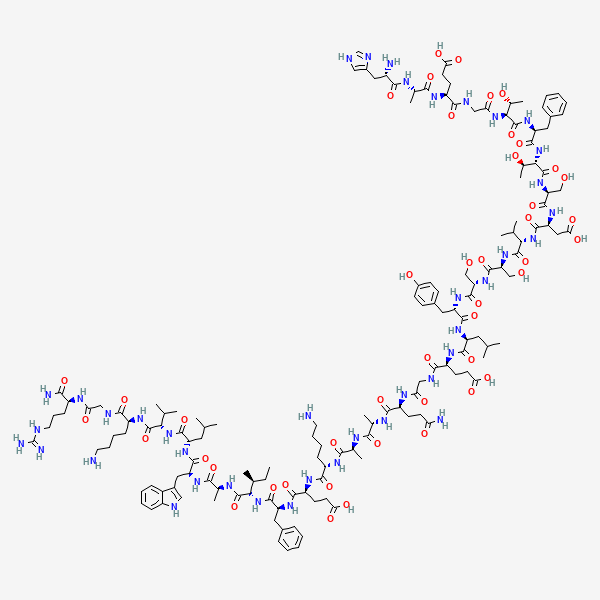
The authors overexpressed LacZ and GLP-1(9-37) using an AAV vector system, and report that GLP-1(9-37) did not affect glucose metabolism but increased AMPK and PGC1α signalling, reduced septal thickness and decreased cardiac fibrosis [1].
That is a cardioprotective readout from a peptide the field has largely treated as an inactive degradation product. The authors state plainly that both peptides exhibit cardioprotective effects, that the underlying mechanisms are unclear, and that the role of GLP-1(9-37) remains poorly understood [1].
The receptor account is under pressure from several directions at once
The GLP-1(9-37) paper is not an isolated anomaly. The author notes that the principal antibody used to detect the T-cell GLP-1 receptor gives signal in receptor-null cells, that Glp1r is undetectable by quantitative PCR in peritoneal and adipose macrophages, and that haematopoietic receptor deletion does not abolish semaglutide's anti-atherosclerotic effect [2].
The quantitative claims are worth reading closely. Tirzepatide lowers high-sensitivity C-reactive protein by 29–55% across randomised trials in obesity, heart failure with preserved ejection fraction and obstructive sleep apnoea, and interleukin-6 by 25–30% at 72 weeks [2]. Much of that is not weight-mediated: in SURPASS-4 the fall in hsCRP correlated with that in body mass index at r = 0.07, and mediation analysis of semaglutide trials attributes only 21–62% of the hsCRP effect to change in glycated haemoglobin and/or weight [2]. The author proposes a three-route model — limited direct signalling in a few validated lymphocyte populations, a central neuro-immune relay, and a large indirect metabolic contribution — and advances five falsifiable propositions with the experiments that would refute them [2].
The paper also argues that adipose macrophages are refractory to tirzepatide while Kupffer cells respond, and that because C-reactive protein is hepatocyte-derived the effect is substantially hepatic rather than adipose [2].
Three observational datasets, three different levels of confidence
The same fortnight produced observational work that illustrates how far apart conclusions can sit depending on how hard the authors push back on their own data.
A retrospective cohort using TriNetX electronic health records examined 163,681 adults with alcohol use disorder and overweight or obesity, of whom 10,445 (6.4%) initiated a GLP-1 receptor agonist [4]. At one year, the treatment cohort had lower odds of all-cause hospitalisation (aOR 0.28, 95% CI 0.28–0.29), alcohol-related hospitalisation (aOR 0.20, 95% CI 0.20–0.21), death (aOR 0.20, 95% CI 0.19–0.21) and major cardiovascular events (aOR 0.72, 95% CI 0.71–0.74), with associations consistent at three and five years in exploratory analyses [4]. The authors conclude that prospective studies are warranted [4].
A second TriNetX study, on lung cancer risk in type 2 diabetes patients with pulmonary nodules, reached a more guarded conclusion from a similar design [6]. Across 12,622 matched pairs, lung cancer incidence was 1.60% with GLP-1RAs versus 2.14% with metformin (HR 0.77, 95% CI 0.64–0.92), with lower distant metastasis (HR 0.58, 0.47–0.71) and systemic anti-cancer therapy (0.58, 0.46–0.74) [6]. But the hazard ratio was 0.85 (0.69–1.05) versus SGLT2 inhibitors, and drug-target cis-Mendelian randomisation showed no association between genetically proxied GLP1R expression and lung cancer, with little colocalization signal at the locus [6]. The authors conclude that the null SGLT2 comparison and null genetic findings do not support sustained receptor-mediated chemoprevention, and that the findings caution against reading early observational signals as chemoprevention [6].
The authors recommend testing GLP-1 RAs as adjuncts rather than replacements for established care, and distinguishing direct reward effects from weight loss and adverse-effect pathways [7]. That echoes the randomised alcohol-use signal we reported in July Oral Semaglutide Cuts Heavy Drinking Days in Phase 2 AUD Trial.
Off-label dosing and a post-bariatric trial
A Special Article on microdosing, fractional dosing and split dosing of injectable GLP-1-based drugs sets out what these practices actually are: off-label administration of a fraction of a standard approved dose by counting the audible and tactile clicks as the dose selector dial of a pre-filled multi-dose pen is turned [3]. Microdosing is defined as administering doses lower than the lowest standard approved starting dose; split dosing as administering smaller doses of a once-weekly agonist more frequently than once per week [3]. The authors state that the evidence is mostly anecdotal and the practices are not supported by manufacturers, scientific societies, drug regulatory agencies or official clinical guidelines [3].
On the registry side, the GRABS pilot trial at Vanderbilt University Medical Center is listed as PHASE2/PHASE3, ACTIVE_NOT_RECRUITING, with a planned enrolment of 30, testing tirzepatide against standard of care in patients with persistent obesity (BMI > 30) twelve months after Roux-en-Y gastric bypass [5]. The trial also aims to determine the frequency of side effects in that population [5]. It fits the post-bariatric rescue direction we described in early November Tirzepatide's November Literature Moves to What Happens After the Weight Comes Off.
Separately, a systematic synthesis of GLP-1RA neuroprotection reports preclinical modulation of amyloid-β and tau pathology, α-synuclein accumulation, neuroinflammation, mitochondrial dynamics and autophagy, while describing clinical support as variable and identifying dual GIP/GLP-1 receptor agonists, enhanced blood-brain barrier penetration and sustained-release formulations as approaches to close the gap [8].
What this means for qualification work
Two threads converge. First, the mechanistic account that justifies treating "GLP-1 receptor agonism" as a single analytical and pharmacological category is being contested in print, with specific, named failures of antibody validation and receptor detection cited as grounds [2]. Second, a cleavage product that does not bind that receptor produced measurable cardiac effects in a mouse model [1]. For sourcing and QA staff, that argues for specifying sequence boundaries precisely rather than by family name.
References
- Moellmann J, Stöhr R, Maas SL, Winz O, Mottaghy FM, van der Vorst EPC, Lebherz C, Lehrke M, Marx N. GLP-1(9-37) Improves Left Ventricular Function in a Murine Model of Cardiac Pressure Overload by Promoting Mitochondrial Biogenesis — europepmc, 2026-11-16.
- Jabbar AD. Tirzepatide and inflammation: a critical reappraisal of the immunometabolic case for incretin-based therapy — europepmc, 2026-11-14.
- Infante M, Seminara G, Fabbri A, Aversa A. Microdosing, fractional and split dosing of injectable GLP-1-based drugs: balancing potential benefits and risks — europepmc, 2026-11-13.
- Maurer GE, Tuan WJ, Evans A, Chu KS, Devaraj T, Zhang A, Leggio L, Parthasarathy S, Zgierska AE. Glucagon-like peptide-1 receptor agonists in adults with overweight/obesity and alcohol use disorder: A retrospective cohort study — europepmc, 2026-11-14.
- Vanderbilt University Medical Center. GLP-1 Receptor Agonists Post-Bariatric Surgery (GRABS) Pilot Trial — PHASE2, PHASE3 · ACTIVE_NOT_RECRUITING, 2026-11-10.
- Yang TL, Jhou HJ, Chang WC, Chen HY, Chen PH, Lee CH. Glucagon-like peptide-1 receptor agonists and lung cancer risk in patients with type 2 diabetes and pulmonary nodules — europepmc, 2026-11-13.
- Qeadan F, Madden EF, Burge MR. From metabolic therapy to addiction care: a clinical pharmacology roadmap for GLP-1 receptor agonists in substance use disorders — europepmc, 2026-11-13.
- Lin Y, He J, Gong J, Chen J, Ke Z, Cai F. Neuroprotective actions of GLP-1 receptor agonists in Neurodegeneration: From mechanisms to clinical translation — europepmc, 2026-11-13.