A Million-Patient UK Cohort Shows GLP-1 Switching Tracks Price, Not Efficacy
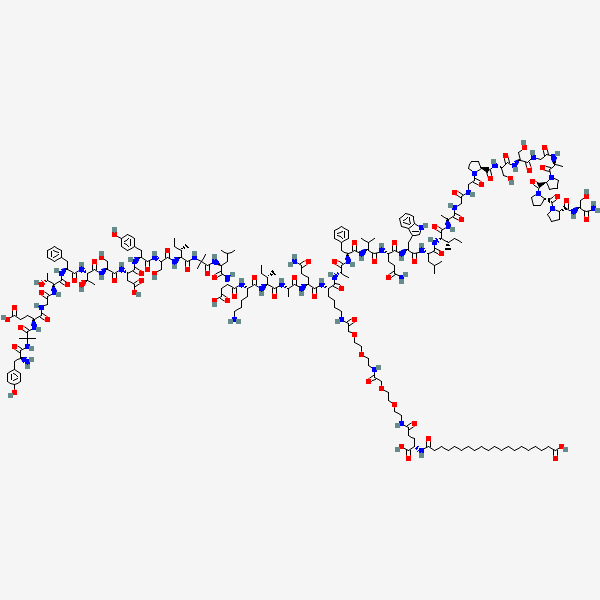
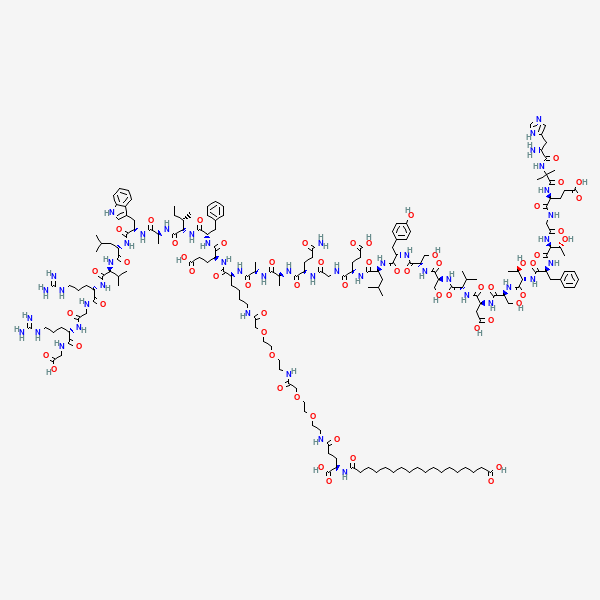
A retrospective study of 1,033,522 self-paying UK adults found semaglutide initiation rose 31.15 percentage points the month tirzepatide's list price went up by as much as 170%, despite tirzepatide's higher reported 12-month weight loss.
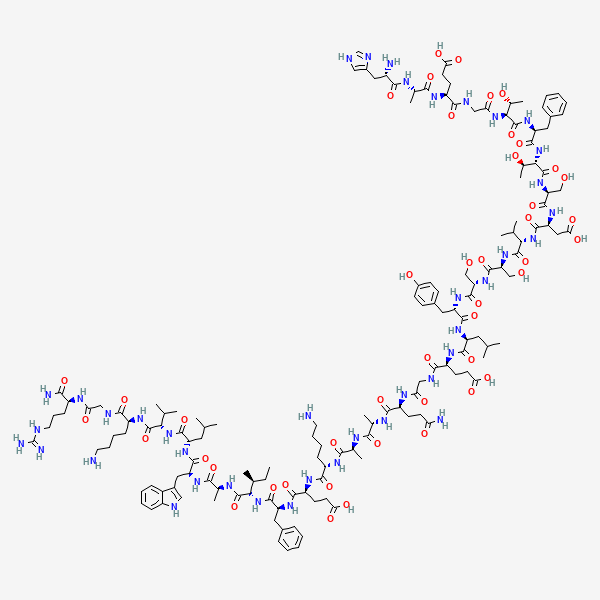
The authors set out to assess changes around the September 2025 tirzepatide list-price increase of up to 170% [5]. In that month, semaglutide initiation increased by 31.15 percentage points (95% CI: 26.07-36.24) relative to the projected pre-interruption trend, and tirzepatide-to-semaglutide switching increased by 9.26 percentage points (95% CI: 7.09-11.42) before attenuating [5]. Sensitivity analyses supported anticipatory changes in August [5].
The efficacy figures in the same cohort run the other way. At 12 months, estimated weight loss was 19.93% with tirzepatide (95% CI: 19.88-19.98; n = 30,763) and 16.40% with semaglutide (95% CI: 16.16-16.64; n = 979) [5]. Across the full cohort, 932,659 adults (90.2%) initiated tirzepatide and 100,863 (9.8%) semaglutide, and provider reach was higher among women than men [5].
That is a different kind of evidence from the comparative-effectiveness literature, and it sits in a self-pay channel where nothing buffers the end user from list price.
Routine-care evidence remains small
Against that population scale, the controlled-setting real-world evidence is thin. A retrospective chart review of 40 adults with prediabetes and overweight or obesity, treated for 3-24 months with semaglutide or tirzepatide in a single rural primary care clinic, reported significant improvements in A1c, BMI, systolic and diastolic blood pressure, LDL and triglycerides [3]. The authors state that limited evidence exists in routine primary care, particularly in rural populations, and that their findings should be interpreted cautiously given the observational design and potential confounding [3].
That is consistent with the pattern of evidence-base thinness that consensus bodies have been trying to fill in other GLP-1 domains Consensus Statements Fill the GLP-1 Evidence Gap Regulators Have Not.
Safety signals the class is still sorting
The authors report a discrepancy in prevalence ranging from 3 to 7% in controlled trials to over 70% in real-world cohorts [6]. Telogen effluvium is described as the predominant phenotype, driven primarily by the magnitude and velocity of weight loss rather than drug toxicity, with tirzepatide showing stronger associations with hair shedding than older GLP-1 receptor agonists [6]. Female sex and weight reduction greater than 10% were the most robust predictors [6].
Knowledge of class adverse effects among future pharmacists appears limited. students at Umm Al-Qura University, Saudi Arabia, conducted between November and December 2025, found a mean knowledge score of 7.6 ± 4.0 out of 17 [8]. Nausea was the most frequently recognised adverse effect at 59.1%, while thyroid C-cell tumours observed in rodent studies were identified by 25.0% and diabetic retinopathy complications by 36.5% [8]. Only 37.2% correctly recognised that hypoglycaemia is uncommon with GLP-1 receptor agonist monotherapy [8]. The authors conclude that pharmacovigilance and medication safety education in pharmacy curricula needs strengthening [8].
Route, psychology and the next receptor combination
A review of needle phobia as a contributor to non-adherence argues that oral semaglutide 25 mg/day — described as the currently approved dose for weight management — demonstrates weight loss of similar magnitude to subcutaneous formulations across separate trials, and should be considered preferentially in patients with moderate-to-severe needle phobia [7]. The authors propose systematic needle phobia screening at obesity clinic entry and a severity-based treatment algorithm [7].
A separate UK survey of 327 women examined psychological correlates of GLP-1 consideration for weight loss [4]. Body appreciation, functionality appreciation and all embodiment variables were negatively associated with consideration, while BMI was positively associated [4]. When examined simultaneously, only resisting objectification remained a significant negative correlate alongside BMI as a positive one [4].
On the pipeline side, Zhejiang Doer Biologics has completed a first-in-human phase 1 study of DR10624, an Fc fusion protein tri-agonist with balanced GLP-1 receptor, glucagon receptor and FGF21 receptor activity, evaluating single- and multiple-ascending subcutaneous doses in a randomised, placebo-controlled, double-blind design with a planned enrolment of 153 [1]. Receptor-combination questions remain live across the class Genetic Analysis Argues for Lower GIP While Tirzepatide Agonises the Receptor.
Incretin biology also continues to produce population-stratification findings. A study measuring glucagon, GIP and GLP-1 in 178 South Asian and 107 Nordic women 1-3 years after gestational diabetes found that normoglycaemic South Asian women had attenuated early glucagon suppression post-OGTT (p=0.002) and higher total glucagon exposure (p=0.013), with no differences in GIP and GLP-1 responses (p=0.490 and p=0.802) [2].
What this means for EU sourcing and qualification
Two things in this week's record bear on material qualification. Second, the tri-agonist entering first-in-human [1] and the continued divergence between trial and real-world adverse-event rates for existing agents [6] both point to characterisation work that is not finished.
References
- Zhejiang Doer Biologics Co., Ltd.. A First in Human (FIH) Study to Evaluate the Safety, Tolerability, Pharmacokinetics, and Pharmacodynamics of DR10624 — clinicaltrials_gov, 2026-10-19.
- Sharma A, Lee-Ødegård S, Holst JJ, Hartmann B, Kvist AAS, Qvigstad E, Sollid ST, Nermoen I, Birkeland KI.. Altered glucagon and GIP responses in South Asian versus Nordic women after gestational diabetes mellitus — europepmc, 2026-10-16.
- Holland AB, Andrabi MS, Appel SJ, Walker AB.. A Retrospective Chart Review of Tirzepatide and Semaglutide Use in Prediabetes Management and Cardiometabolic Outcomes in a Rural Primary Care Setting — europepmc, 2026-10-15.
- Schneider J, Garbett KM, Lewis-Smith H, Craddock N.. Associations between positive body image, embodiment, and GLP-1 consideration for weight loss among women in the United Kingdom — europepmc, 2026-10-17.
- Dix S, Mulligan A, Ficarelli M, Brooke E, Rosenior-Patten O, Chen S, Maybury C, Bray BD.. Real-World Treatment Patterns and Weight Outcomes Before and After a Tirzepatide Price Increase in Over One Million Self-Paying UK Adults With Overweight or Obesity — europepmc, 2026-10-14.
- Leite Júnior AC, Ribeiro Junior HL.. GLP-1 receptor agonists and hair loss: adverse effect, epiphenomenon, or therapeutic paradox? — europepmc, 2026-10-14.
- La Vignera S, Condorelli RA.. Obesity: oral therapy for those afraid of needles — europepmc, 2026-10-16.
- Khojah AA, Gazzaz MJ, Aldurdunji MM, Safiraldeen AE, Al-Qurashi IR, Alhazmi MA, Abdalla AN, Alqurashi RS, Wali SM.. Pharmacy students' knowledge and attitudes regarding GLP-1 receptor agonist adverse effects in obesity management: a cross-sectional study — europepmc, 2026-10-16.