
Oral Semaglutide Cuts Heavy Drinking Days in Phase 2 AUD Trial
A 50-participant phase 2 trial missed its primary craving endpoint but reduced heavy drinking days, drinks per drinking day and cannabis use days — one of several late-July GLP-1 readouts pushing the class past metabolic endpoints.
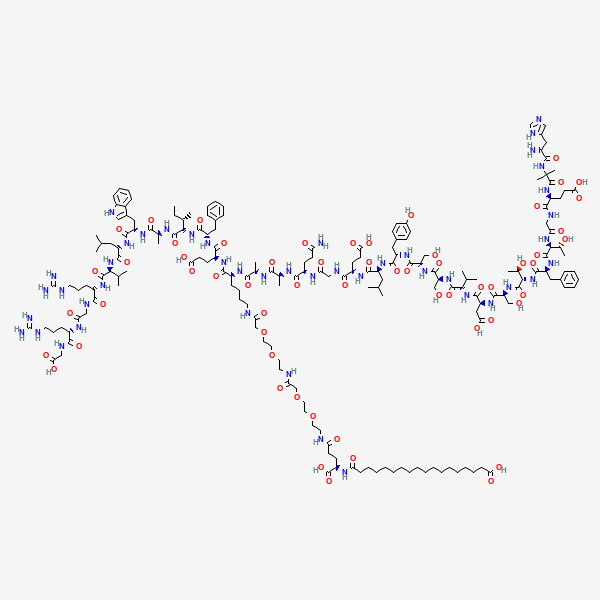
A phase 2 double-blind randomised trial of oral semaglutide in treatment-seeking adults with alcohol use disorder missed its primary endpoint and hit several of its secondary ones [7]. Fifty individuals with moderate to severe AUD received semaglutide at 3 mg/day for four weeks, then 7 mg/day for four weeks, or placebo, over eight weeks [7]. The primary outcome — laboratory-based alcohol cue-elicited craving at week 6 — did not differ significantly from placebo, and neither did drinks per day [7].
The preregistered secondary outcomes told a different story. Semaglutide significantly reduced heavy drinking days (b=-0.580, 95% CI=-1.012, -0.148) and drinks per drinking day (b=-1.177, 95% CI=-2.307, -0.047) [7]. Naturalistic alcohol craving fell (b=-2.195, 95% CI=-4.174, -0.216), as did cannabis use days (b=-1.434, 95% CI=-2.568, -0.301) [7]. Alcohol-related consequences declined at a significantly greater rate than placebo (b=-4.618, 95% CI=-8.651, -0.585), and significantly more participants on semaglutide reduced their World Health Organization risk drinking level by one or more levels (Wald χ²=4.01) [7]. The authors concluded that the findings confirm previous results among non-treatment seekers with less severe AUD and that continued development of semaglutide for AUD is warranted [7].
For anyone tracking where GLP-1 demand is heading, the split between the craving endpoint and the consumption endpoints matters. A laboratory craving paradigm and a count of heavy drinking days are not measuring the same construct, and the trial's own result suggests the class may act on drinking behaviour without moving the cue-reactivity marker the field has used as a proxy for it.
A review published the day before said much the same
A review in the cardiovascular literature, published one day earlier, argued that a clinically relevant but molecule-specific human literature suggests selected incretin-based therapies — particularly semaglutide for alcohol-related outcomes — may modify alcohol use, tobacco use and selected acute substance-related events [2]. The authors described alcohol as carrying the strongest signal, citing small randomised studies in which semaglutide reduced laboratory alcohol self-administration and craving, against an earlier exenatide trial that was neutral overall but suggested benefit in participants with obesity [2].
Large registry and EHR studies, the review reported, associate GLP-1RA exposure with lower alcohol-related hospitalisation, lower incident or recurrent alcohol use disorder, and lower alcohol-related event rates [2]. Tobacco evidence is thinner but now includes a pilot smoking-cessation trial with exenatide and a target-trial emulation linking semaglutide with fewer tobacco use disorder-related healthcare encounters [2]. Evidence beyond alcohol and tobacco, and tirzepatide-specific evidence, remains preliminary, though observational analyses have reported lower rates of opioid overdose, alcohol intoxication and cannabis use disorder [2].
The review frames the question for cardiologists as whether established cardiometabolic therapies may also modify cardiovascular-relevant risk behaviours, rather than whether incretins should be viewed as addiction drugs [2]. That framing is the useful one for a supply-side reader: the indication is not moving, the population studied is.
Three other readouts from the same week
A systematic review and meta-analysis of seven randomised controlled trials, involving 446 participants, examined semaglutide and other GLP-1 receptor agonists for antipsychotic-associated metabolic dysfunction in adults with schizophrenia spectrum disorders [3]. GLP-1RA therapy was associated with a statistically significant reduction in body weight (-6.10 [95% CI: -12.10 to -0.10], P=0.05), with substantial heterogeneity (I²=99%) [3]. Body mass index, waist circumference and fasting plasma glucose also fell significantly, while effects on lipid parameters, insulin-related outcomes and blood pressure were inconsistent and generally not statistically significant [3]. Serious adverse events were less frequent in the intervention group, and the certainty of evidence ranged from low to moderate, primarily due to heterogeneity and imprecision [3].
A review of GLP-1RAs in adolescent obesity described short-term safety profiles as characterised primarily by transient gastrointestinal symptoms and low rates of serious adverse events or psychiatric symptoms, while stating that developmental implications and long-term effects have yet to be evaluated [4]. The authors identified critical knowledge gaps on growth, pubertal development, cognition, neural reward processing and lifelong energy balance regulation [4].
Separately, the REST trial protocol sets out a randomised comparison of gradual semaglutide dose reduction over 16 weeks against abrupt discontinuation in individuals living with obesity without preexisting cardiovascular disease who have achieved at least 10% prior weight reduction with no further loss over the past 12 weeks [5]. The primary outcome is the difference in body weight change (%) between groups; secondary outcomes include 24-hour ambulatory blood pressure and fasting ghrelin [5]. The protocol notes that most individuals regain weight after abrupt withdrawal of semaglutide, with reversal of its beneficial cardiometabolic effects [5]. It is registered as NCT07294950 [5].
Safety signals and access
A case report described severe symptomatic hypercalcemia in a 75-year-old woman one month after starting tirzepatide, a dual GLP-1/GIP receptor agonist, while taking bendroflumethiazide, calcium carbonate and alfacalcidol [8]. Her serum calcium had been within the normal treatment range before tirzepatide initiation, other causes were ruled out, and levels normalised after intravenous fluids and withholding tirzepatide, bendroflumethiazide and calcium carbonate [8]. The authors note that tirzepatide's effect on calcium homeostasis has not been well reported and suggest serum calcium monitoring in similar clinical scenarios [8].
On the access side, a narrative review argued that integrating GLP-1RAs into primary care is constrained by gaps in provider training, clinical inertia, weight bias, high treatment costs and fragmented insurance coverage, and warned that without coordinated action these therapies may reinforce a two-tiered treatment landscape [6].
Elsewhere in the same registry window, an early phase 1 single-arm trial at Banner Health plans to give semaglutide 2.4 mg weekly by subcutaneous injection before radical prostatectomy in 20 participants with intermediate-risk prostate cancer, with tumour biological activity as the primary aim [1]. The study is listed as not yet recruiting [1]. That entry sits alongside the wider spread of non-metabolic GLP-1 work we catalogued last week GLP-1 Research Widens Past Weight Loss: Prostate Tumours, Cognition, GIPR Circuits.
What this means for qualification
The practical consequence for EU laboratories sourcing semaglutide and tirzepatide reference material is that the comparator set is widening faster than the analytical expectations attached to it. Work is now running against alcohol consumption endpoints [7], antipsychotic-associated metabolic dysfunction [3], adolescent populations [4], structured withdrawal schedules [5], and preoperative oncology use [1] — and one of those uses an oral rather than subcutaneous route at 3 mg and 7 mg daily doses [7]. Identity and purity specifications written for a single metabolic use case will not automatically carry across studies that differ in route, dose schedule and matrix. Where a research programme is being designed against any of these endpoints, the material specification and the analytical release panel should be settled before the protocol is, not after.
References
- Banner Health. Preoperative Semaglutide Prior to Radical Prostatectomy — clinicaltrials_gov, 2026-07-27.
- De Filippo O, Bruno F, Giacobbe F, Beccuti G, Braia V, Broglio F, D'Ascenzo F, De Ferrari GM, Aimaretti G, Luescher TF.. Incretin-based therapies, alcohol and tobacco use, and acute substance-related events: emerging implications for cardiovascular medicine — europepmc, 2026-07-28.
- Abbas N, Memon AA, Zulfiqar R, Noon AZ, Abbas Shah SM, Panhwar K, Sadia Z, Khan MS, Akbar MB, Iftikhar S, Hayat I.. Semaglutide and Other GLP-1 Agonists for Antipsychotic-Associated Metabolic Dysfunction in Schizophrenia: A Systematic Review and Meta-Analysis — europepmc, 2026-07-27.
- Mills AM, Noble EE.. GLP-1 receptor agonists in adolescent obesity: Incretin-based therapies during a sensitive developmental period — europepmc, 2026-07-27.
- Yevusiak T, Weisman A, Retnakaran R, Wharton S, Drucker DJ, Kramer CK.. Impact of semaglutide withdrawal on cardiometabolic profile and physiology of energy balance: Recovery effects after semaglutide termination - The REST trial study protocol — europepmc, 2026-07-27.
- Ahmed MM, Nazari R, Othman ZK, Musa SS, Okesanya OJ, Adebayo UO, Branda F, Elmi AH, Lucero Prisno DE.. GLP-1 receptor agonists in primary care: readiness, equity, and the risk of a two-tiered obesity treatment landscape — europepmc, 2026-07-27.
- Schacht JP, Sakai JT, Raymond K, Shelton R.. Oral Semaglutide for Alcohol Use Disorder: A Randomized Clinical Trial — europepmc, 2026-07-29.
- Iqbal S, Javed F, Oyibo SO.. A Case of Severe Hypercalcemia in a Patient Taking Tirzepatide: Potential Risk Factors — europepmc, 2026-07-26.