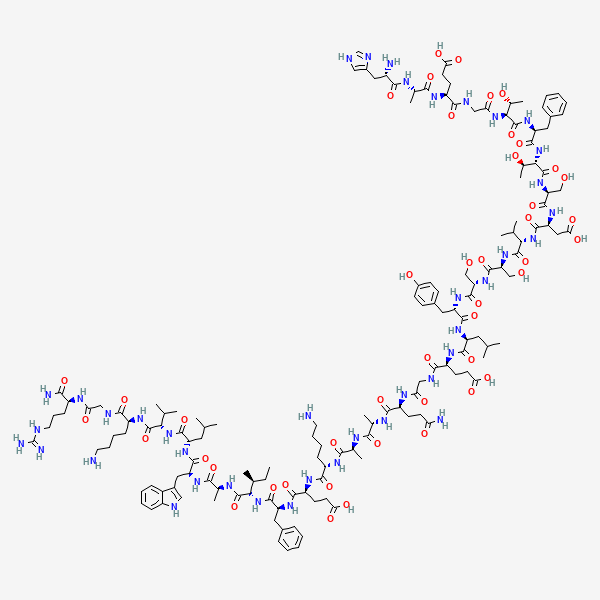
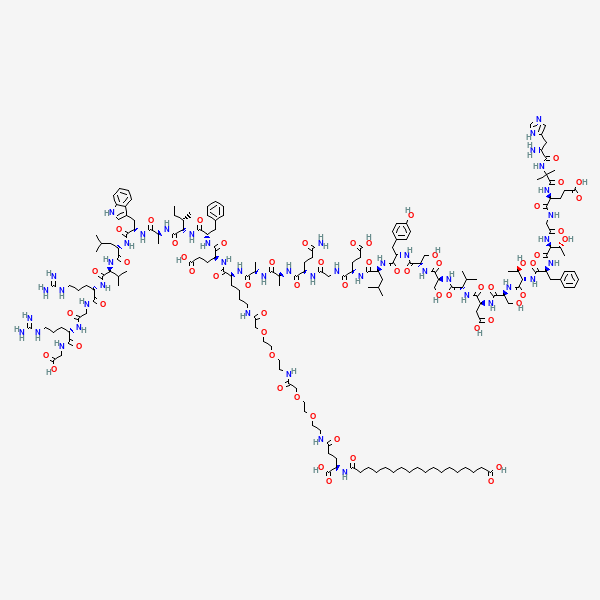
Tirzepatide Cut Adolescent BMI 18.5% at 72 Weeks as Mechanism Papers Dissent
SURMOUNT-ADOLESCENTS reported an 18.5% BMI reduction at 72 weeks in 160 participants, while a critical reappraisal of tirzepatide's anti-inflammatory mechanism argues the standard receptor account is not supported by the best-controlled data.
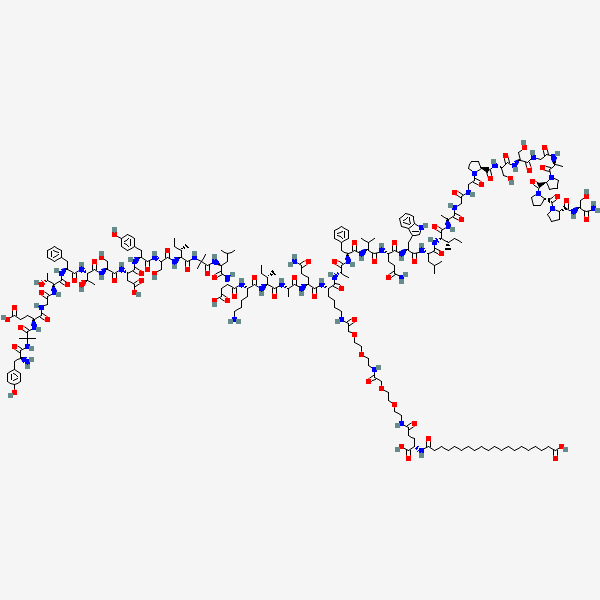
The phase 3, randomised, double-blind trial ran for 72 weeks across 31 medical research centres and hospitals in Canada, the Czech Republic, Israel, Italy, Poland and the US, enrolling adolescents aged 12 to younger than 18 with obesity, or overweight with at least one obesity-related complication [4].
A total of 160 participants were randomised 2:1 to once-weekly subcutaneous tirzepatide escalated to a maximum tolerated dose of 5, 10 or 15 mg, or to placebo, both on top of a healthy lifestyle intervention [4]. Mean age at baseline was 14.6 years, 99 participants (61.9%) were female, mean body weight was 109.7 kg and mean BMI was 38.6 [4]. At week 72 tirzepatide was associated with an 18.5% reduction in BMI against a 0.5% increase on placebo, an estimated treatment difference of −19.0 percentage points (95% CI, −23.9 to −14.1) [4]. The trial is registered as NCT06075667 [4].
That is the headline efficacy readout. Almost everything else indexed around it is about something other than how much weight comes off — a pattern this blog has tracked through the autumn Tirzepatide's November Literature Moves to What Happens After the Weight Comes Off.
The mechanism paper disputes the textbook account
A critical reappraisal by Jabbar, indexed by Europe PMC on 14 November, takes the immunometabolic case for incretin therapy apart rather than extending it [3]. The paper reports that tirzepatide lowers high-sensitivity C-reactive protein by 29–55% across randomised trials in obesity, heart failure with preserved ejection fraction and obstructive sleep apnoea, and interleukin-6 by 25–30% at 72 weeks [3].
Much of that, the author argues, is not weight-mediated: in SURPASS-4 the fall in hsCRP correlated with the fall in body mass index at r = 0.07, and mediation analysis of semaglutide trials attributes only 21–62% of its hsCRP effect to change in glycated haemoglobin and/or weight [3].
The dissent is sharper on mechanism. Jabbar writes that the account reproduced in most reviews — incretin receptors on macrophages and T lymphocytes signalling through cyclic AMP to restrain NF-κB — is not supported by the best-controlled data [3]. The principal antibody used to detect the T-cell GLP-1 receptor gives signal in receptor-null cells; Glp1r is undetectable by quantitative PCR in peritoneal and adipose macrophages; and haematopoietic receptor deletion does not abolish semaglutide's anti-atherosclerotic effect [3]. In its place the paper proposes a three-route model graded by evidence: limited direct signalling in a few validated lymphocyte populations, a central neuro-immune relay, and a large indirect metabolic contribution [3].
The paper also notes that adipose macrophages are refractory to tirzepatide while Kupffer cells respond, and that C-reactive protein is hepatocyte-derived — suggesting a substantially hepatic rather than adipose effect [3]. Because the mechanistic evidence concerns GLP-1 receptor agonism almost entirely, the appraisal is framed as applying to incretin-based therapy as a class, with tirzepatide as the worked example [3]. Five falsifiable propositions are advanced with the experiments that would refute them [3].
Cardiovascular comparison comes back null
A target trial emulation by Aubrac and colleagues, indexed 10 November, compared semaglutide with tirzepatide on major adverse cardiovascular events in adults with overweight or obesity and atherosclerotic cardiovascular disease, without diabetes [6]. The study used national claims data from Komodo Health in an active comparator, new user design, excluding prior GLP-1 receptor agonist or obesity medication users [6].
The authors report a non-significant difference in revised 5-point MACE risk (HR = 1.21, 95% CI: 0.99–1.51) and no significant difference in secondary outcomes [6]. They also flag that sensitivity analyses, while directionally consistent, were sensitive to decisions about early events, off-label use, analytic approach and outcome definition [6]. The stated conclusion is no significant difference in cardiovascular risk between the two drugs in this population [6]. Whether tirzepatide carries the cardiovascular benefit semaglutide is approved for remains, in the authors' framing, unknown [6].
Four registry entries, four different questions
The ClinicalTrials.gov entries indexed in the same window cluster around the consequences of tirzepatide exposure rather than its primary effect.
- Wake Forest University Health Sciences has posted a phase 3, 96-participant trial, not yet recruiting, testing whether risedronate co-therapy preserves musculoskeletal health during tirzepatide-associated weight loss in older adults [1]. The rationale given is that substantial weight reduction may accelerate loss of bone and muscle, increase frailty risk and compound age-related skeletal vulnerability [1].
- Vanderbilt University Medical Center's GRABS pilot, phase 2/3 and active but not recruiting, is testing tirzepatide in 30 patients with persistent obesity (BMI > 30) twelve months after Roux-en-Y gastric bypass, against standard of care [5].
- Istanbul University is recruiting 40 participants to an observational study of ocular structural and microvascular changes under semaglutide or tirzepatide in routine care, using OCT and OCT-A over up to 18 months [7].
What this means for qualification work
Two things in this fortnight matter to anyone writing specifications or justifying a comparator choice.
Second, the interesting endpoints are moving. Bone and muscle preservation [1], muscle-targeted combination with bimagrumab [2], post-bariatric rescue [5] and retinal and choroidal imaging [7] are each asking what tirzepatide exposure does beyond the scale. Preclinical programmes planning comparator or reference work should expect assay and characterisation demands to follow those endpoints rather than the BMI curve.
References
- Wake Forest University Health Sciences. Fighting Osteoporosis With Risedronate Co-Therapy During Incretin — PHASE3 · NOT_YET_RECRUITING, 2026-11-17.
- Eli Lilly and Company. A Study to Investigate Weight Management With Bimagrumab (LY3985863) and Tirzepatide (LY3298176), Alone or in Combination, in Adults With Obesity or Overweight — PHASE2 · COMPLETED, 2026-11-17.
- Jabbar AD. Tirzepatide and inflammation: a critical reappraisal of the immunometabolic case for incretin-based therapy — europepmc, 2026-11-14.
- Kelly AS, Pamidipati KC, Rachmiel M, Srivastava G, Hsia DS, Fox CK, Fortes E, McLeod L, Murphy M, Prakash A. Tirzepatide in Adolescents With Obesity: The SURMOUNT-ADOLESCENTS Randomized Clinical Trial — europepmc, 2026-11-15.
- Vanderbilt University Medical Center. GLP-1 Receptor Agonists Post-Bariatric Surgery (GRABS) Pilot Trial — PHASE2, PHASE3 · ACTIVE_NOT_RECRUITING, 2026-11-10.
- Aubrac G, Raquib RV, Le MT, Webster-Clark M, Platt RW, Stokes AC. Cardiovascular Outcomes in Semaglutide Versus Tirzepatide Users With Obesity and Atherosclerotic Disease: A Target Trial Emulation — europepmc, 2026-11-10.
- Istanbul University. Ocular Changes in Patients Using Tirzepatide or Semaglutide — RECRUITING, 2026-11-09.
- Eli Lilly and Company. A Study of Tirzepatide Compared With Intensified Conventional Care in Adult Participants With Type 2 Diabetes — PHASE4 · ACTIVE_NOT_RECRUITING, 2026-11-12.