Rare GLP1R Variants Blunt Semaglutide Weight Loss But Not Tirzepatide
An exome study of 351,818 people found carriers of rare damaging GLP1R variants lose less weight on semaglutide but respond normally to tirzepatide, in a fortnight that also brought placental perfusion, bone, and MACE comparison data.
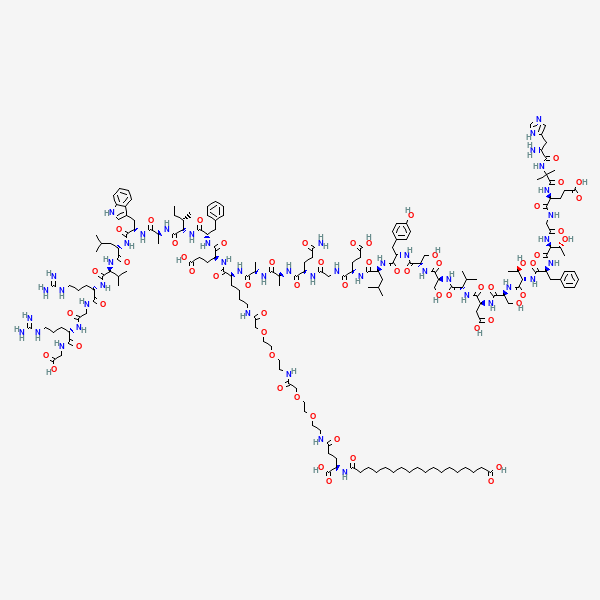
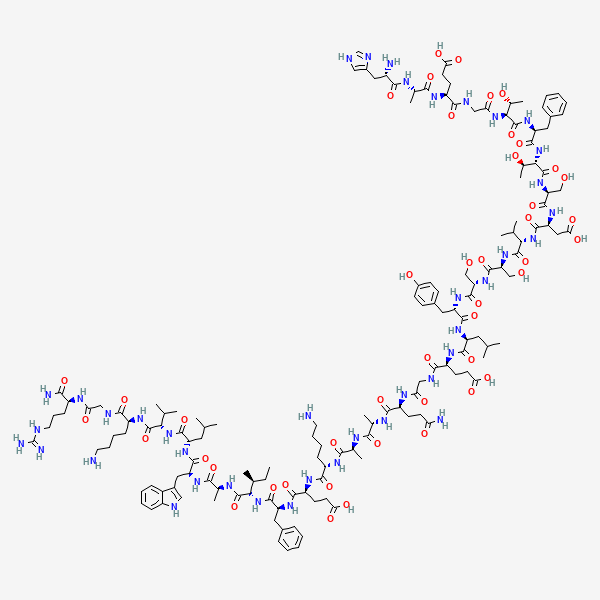
The most mechanistically consequential item came from the Helix Research Network. Levy and colleagues integrated exome sequencing with electronic health records across 351,818 people and, among 13,725 adults treated with a GLP-1 receptor agonist, found that carriers of rare damaging GLP1R variants lost less weight with semaglutide than matched non-carriers while achieving a near-normal response to tirzepatide [5]. Carriers of rare variants in GIPR — tirzepatide's second target — also achieved normal weight loss responses [5]. The authors conclude that rare GLP1R variants affect response to semaglutide but not to tirzepatide [5].
That is a receptor-level explanation for a clinical divergence the field has mostly described in commercial or dosing terms A Million-Patient UK Cohort Shows GLP-1 Switching Tracks Price, Not Efficacy.
Semaglutide versus tirzepatide on hard cardiovascular endpoints
Aubrac and colleagues published a target trial emulation comparing the two molecules on major adverse cardiovascular events using national claims data from Komodo Health [7]. The cohort was restricted to new users with a history of atherosclerotic cardiovascular disease, BMI ≥ 27 with a diagnosis of overweight or obesity, continuous insurance coverage, and no diabetes or contraindications; prior GLP-1 receptor agonist or obesity medication users were excluded [7].
The primary outcome, a revised 5-point MACE composite of myocardial infarction, stroke, hospitalisation for heart failure or unstable angina, coronary revascularisation and mortality, showed a non-significant difference between the two drugs (HR = 1.21, 95% CI: 0.99–1.51) [7]. Secondary outcomes were likewise non-significant [7]. The authors note that sensitivity analyses gave directionally consistent point estimates but were sensitive to decisions about early events, off-label use, analytic approach and outcome definition [7].
Read against the genetics paper, the pairing is informative: semaglutide is approved for cardiovascular risk reduction in individuals with overweight or obesity and cardiovascular disease, and whether tirzepatide carries similar benefit remains unknown [7]. A genotype-dependent weight-loss gap does not, on this evidence, translate into a measurable outcome gap.
Placental transfer: an ex vivo answer to a prescribing question
Kuoni and colleagues assessed whether semaglutide and liraglutide cross the human placental barrier, using ex vivo placental perfusion for the term barrier and a BeWo b30 Transwell permeability model for early gestation [4]. Five-hour perfusions showed that neither compound crossed the placental barrier, a finding confirmed in the Transwell model [4]. Neither influenced BeWo cell viability, hormone secretion, glycolytic activity or cellular differentiation at therapeutic and supratherapeutic concentrations [4].
The authors state that the results are consistent with the high molecular weight of these molecules, suggest no fetal exposure during treatment, and argue against the current practice of stopping these drugs during pregnancy [4]. That is an unusually direct challenge to established practice from an ex vivo model, and it lands in a space where consensus documents have already acknowledged thin evidence Consensus Statements Fill the GLP-1 Evidence Gap Regulators Have Not. Anyone tracking reproductive-safety positions on the class should note the evidentiary level: perfusion and cell permeability assays, not clinical outcomes [4].
Bone, and a combination that makes it worse
Kloock and colleagues randomised female Wistar rats with diet- and L-NAME-induced metabolic osteoporosis to saline, semaglutide, PYY3-36, or the combination, with treatment starting in week 9 and femora collected at 16 weeks [6]. Semaglutide alone and in combination with PYY3-36 significantly reduced body weight [6]. Semaglutide induced a modest reduction in trabecular bone volume fraction, while PYY3-36 alone and in combination caused more pronounced trabecular deterioration, the combination group showing increased trabecular separation [6].
Cortical bone parameters were unaffected [6]. Osteoclast numbers were increased in the semaglutide and PYY3-36 groups, and gene expression changes in semaglutide-treated femora were only mild, whereas PYY3-36 significantly upregulated angiogenesis- and extracellular-matrix-associated genes [6]. The authors' conclusion is that semaglutide modestly impairs bone health and that the combination aggravates bone loss in the pre-existing osteoporosis setting [6]. It is a preclinical skeletal-safety signal for a gut-hormone combination strategy, and it joins a broader turn in the incretin literature towards what the weight loss costs Weight Regain, Lean Mass and Hair Loss Dominate a Week of Incretin Reviews.
A neuropsychiatric case report and an ocular study
Prasad and colleagues describe a 42-year-old woman with no psychiatric history who developed recurrent depersonalisation and derealisation episodes approximately seven days after her second 0.5 mg weekly dose of semaglutide prescribed for obesity [2]. Episodes progressed from once daily to three or four times daily over ten days, with insight and reality testing preserved [2]. Metabolic, neurological, toxicological and psychiatric evaluation, including brain imaging, EEG and laboratory studies, excluded alternative causes, and a Naranjo score of 6 indicated a probable causal relationship [2]. Semaglutide was discontinued without psychotropic medication; symptoms resolved completely within four weeks with sustained remission at three months [2].
Separately, Istanbul University is recruiting 40 adults with obesity into a prospective observational study of ocular structural and microvascular changes on semaglutide or tirzepatide in routine care, assessing optic nerve head parameters, retinal thickness, retinal and choroidal microvascular parameters and choroidal thickness by OCT and OCT-A over up to 18 months [8].
Combination and co-prescribing
On the real-world side, Papadimopoulos and colleagues examined 6,837 US resmetirom initiators in TriNetX records from 14 March 2024 to 16 July 2026 [3]. An incretin prescription was recorded in 37.2%, mostly before resmetirom (33.8%) [3]. Of the remaining 4,524 patients, 231 (5.1%) co-initiated an incretin within 0–30 days, with co-initiation running at about 5% in every stratum and odds ratios of 1.08 (95% CI: 0.80–1.46) for overweight/obesity and 1.00 (0.75–1.34) for diabetes [3]. Co-initiators had higher mean BMI (35.3 vs 33.0 kg/m²) and were more often prescribed metformin (27.7% vs 19.0%) [3]. The authors note that resmetirom and semaglutide 2.4 mg are both approved for metabolic dysfunction-associated steatohepatitis but have not been tested together, and call for trials of combined treatment [3].
What this means for qualification work
For anyone specifying or qualifying GLP-1 analogue material in the EU, the practical signal in this fortnight is that the comparative questions are shifting from potency to context: receptor genotype [5], tissue barriers [4], skeletal endpoints [6] and co-administration with non-incretin agents [1] [3].
References
- Novo Nordisk A/S. Effects of NNC0194-0499, Cagrilintide, and Semaglutide Alone or in Combinations on Liver Damage and Alcohol Use in People With Alcohol-related Liver Disease — PHASE2 · COMPLETED, 2026-11-19.
- Prasad S, Sharma A, Sharma A, Parmar V, Kothia D, Bavaria D. New-onset depersonalization-derealization syndrome following semaglutide therapy — europepmc, 2026-11-17.
- Papadimopoulos I, Gohar N, Kokkorakis M, Anagnostakis F. Real-World Initiation of Resmetirom and Recorded Incretin Exposure in the United States — europepmc, 2026-11-16.
- Kuoni S, Bigler L, Dolder A, Steiner R, Ochsenbein-Kölble N, Simões-Wüst AP. Absence of human placental transfer of semaglutide and liraglutide: A study based on placenta perfusions and cell permeability assays — europepmc, 2026-11-11.
- Levy ME, Schiabor Barrett KM, Telis N, Lagarde WH, Phatak PD, Maher JF, Haldeman-Englert C, Grzymski JJ, Stoller D, Sturm AC, Judge DP, Chahal CAA, Renbarger JL. Rare GLP1R variants attenuate weight loss with semaglutide but not tirzepatide — europepmc, 2026-11-11.
- Kloock S, Zytner P, Geiger N, Sequeira V, Schmitt-Böhrer A, Felker J, Sarwar H, Weich A, Ignatius A, Fassnacht M, Haffner-Luntzer M, Dischinger U. Weight loss at a cost: Semaglutide and PYY3-36 aggravate pre-existing metabolic osteoporosis in female Wistar rats — europepmc, 2026-11-13.
- Aubrac G, Raquib RV, Le MT, Webster-Clark M, Platt RW, Stokes AC. Cardiovascular Outcomes in Semaglutide Versus Tirzepatide Users With Obesity and Atherosclerotic Disease: A Target Trial Emulation — europepmc, 2026-11-10.
- Istanbul University. Ocular Changes in Patients Using Tirzepatide or Semaglutide — RECRUITING, 2026-11-09.