Dose-Sparing Semaglutide Data Collide With a 14.5% High-Dose Initiation Rate
A phase 2 preprint doubled weight loss on 0.5 mg weekly semaglutide by adding an oral FXR agonist, while a 48,658-patient US cohort found high-dose initiation raised early discontinuation risk by 25%. A compounded semaglutide recall closed the week.
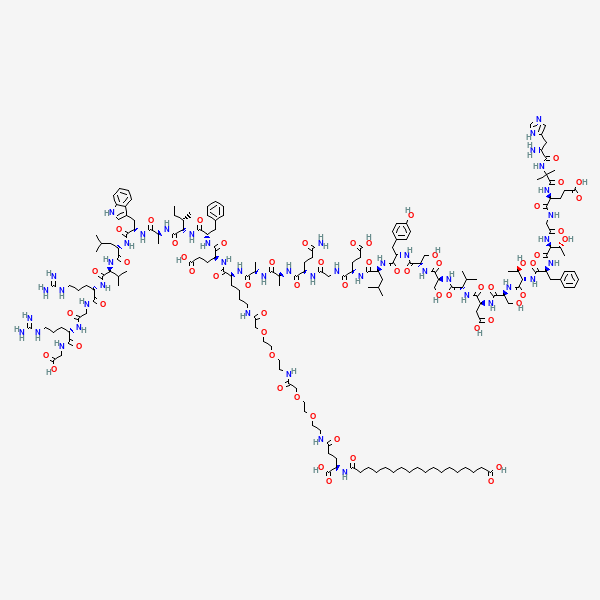
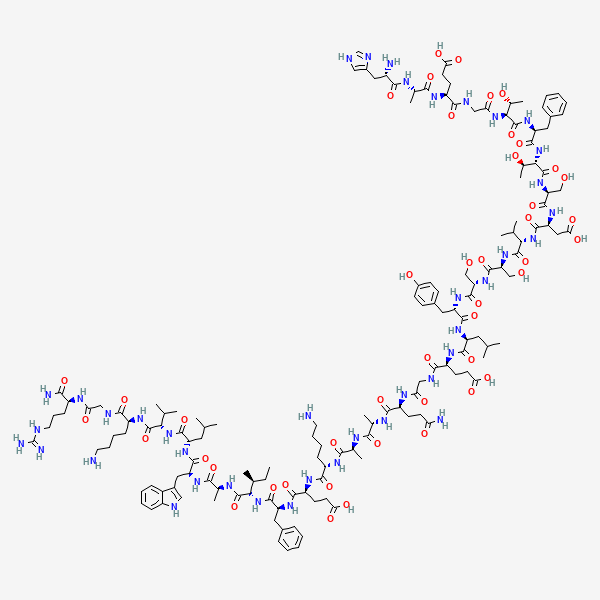
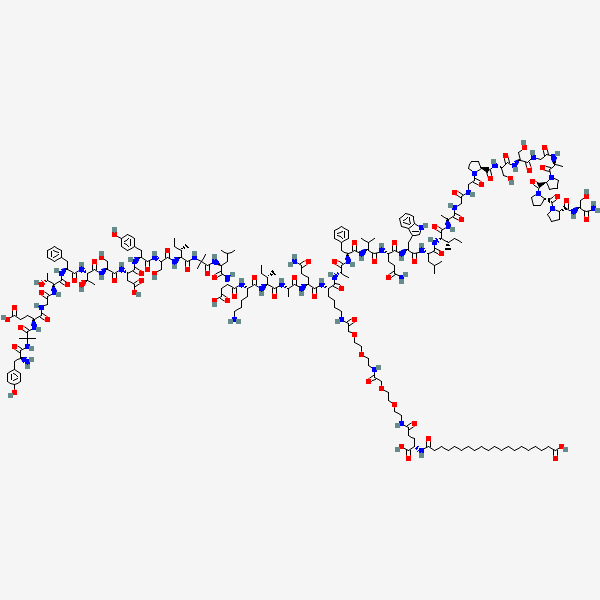
Nine days in October produced an unusually coherent set of semaglutide readouts. A phase 2 preprint showed that adding an oral agent to a 0.5 mg weekly dose more than doubled weight loss [5]. A retrospective cohort of 48,658 US adults showed that starting patients high shortens how long they stay on the drug [3]. And the FDA posted a Class II recall of a compounded semaglutide injectable for lack of assurance of sterility [8]. Taken together they describe a field where the dose, not the molecule, is increasingly the variable under examination.
Augmenting a low dose rather than escalating it
In a multicentre, randomised, double-blind, placebo-controlled phase 2 trial — reported in a preprint that has not been peer reviewed — 62 adults with obesity (BMI 30–45 kg/m²), treatment-naive type 2 diabetes and MASH (MRI-PDFF ≥10%) received either linafexor 4 mg orally once daily or placebo, each alongside semaglutide 0.5 mg once weekly, for 16 weeks [5]. The preprint reports weight loss of −6.17% with the combination versus −2.91% with semaglutide alone, a treatment difference of −3.26% (95% CI, −5.35 to −1.18; P=0.003), and 53.3% versus 28.1% of participants reaching at least 5% weight loss (P=0.046) [5].
The stated rationale is that GLP-1 receptor agonists produce less weight loss in people with type 2 diabetes than without, and that higher compensatory doses are limited by gastrointestinal adverse events and lean-mass loss [5]. The preprint reports comparable gastrointestinal adverse events between arms (23.3% versus 18.8%), with no treatment-related serious adverse events or discontinuations, and additional reductions in visceral adipose tissue (treatment difference −13.85 cm²; P=0.035), alanine aminotransferase, γ-glutamyl transferase and serum bile acids [5]. The authors characterise the approach as dose-sparing and mechanism-complementary [5]. The trial is registered as NCT06492330 [5].
Sixty-two participants over sixteen weeks is a small, short study, and the preprint status matters. But the design question it asks — whether to add a second mechanism instead of climbing the titration ladder — is now being asked across the incretin class, including for the dual agonist Low-Dose Tirzepatide Matched 5 mg on Weight Loss in a 112-Patient Japanese Cohort.
What high-dose initiation does to persistence
The clinical argument for dose restraint got an epidemiological counterpart. Using MarketScan data from 2018 to 2021, Belalcazar and colleagues identified US adults with diabetes and/or obesity and no prior incretin therapy starting injectable semaglutide, categorising the initiating dose as low (≤0.5 mg/week) or high (≥1.0 mg/week) [3]. Among 48,658 adults, 14.5% were started on high doses [3].
The paper reports that the off-label high-dose regimen was associated with decreased one-year persistence (p = 0.01) and a 25% increase in early discontinuation risk (HR 1.25, 95% CI 1.17–1.34) [3]. The authors conclude that high-dose initiation is common in routine care and represents a modifiable risk factor for early discontinuation and reduced one-year persistence [3].
That finding sits directly against the linafexor premise.
Safety signals: aspiration and nocturnal heart rate
Two further preprints, neither peer reviewed, add tolerability detail. A comparative pharmacovigilance analysis of the FDA Adverse Event Reporting System identified 218 pulmonary aspiration and aspiration pneumonia cases, splitting them into single-agent semaglutide (n = 132), single-agent tirzepatide (n = 79) and a co-reported cohort (n = 7) [6]. In the semaglutide cohort (mean age 61.1 years, SD 14.6; 48.5% female), mortality was 17.4% and hospitalisation 62.1%; in the tirzepatide cohort (mean age 65.2, SD 15.4; 51.9% female), mortality was 16.5% and hospitalisation 53.2% [6]. Neither difference reached significance, but reports designated life-threatening were significantly more frequent with tirzepatide (17.7% versus 7.6%; p = 0.0417, OR = 0.381) [6]. The preprint argues that isolating co-reported cases prevents cross-contamination in incretin pharmacovigilance [6].
Separately, a matched longitudinal cohort preprint — also not peer reviewed — used home sleep studies in the Israeli Human Phenotype Project, comparing 96 of 494 self-reported semaglutide initiators against propensity-matched never-users [7]. Relative to controls, heart rate rose during nocturnal wake (+3.89 bpm, 95% CI 2.35–5.44), NREM sleep (+4.82 bpm, 3.12–6.52) and REM sleep (+6.25 bpm, 4.42–7.91), with the REM increase exceeding the NREM increase by 1.42 bpm (0.98–1.89) [7]. Never-users with similar weight loss showed no REM heart-rate rise (+0.40 bpm, −0.63 to 1.50), and the authors note that clinic measurements may understate the effect, with polysomnographic confirmation still needed [7].
Mechanism and economics
On the mechanistic side, University Hospital Gentofte in Copenhagen has completed an early phase 1 crossover study using LEAP2, a naturally occurring hormone that inhibits the ghrelin receptor, as the investigational compound in people with obesity treated with semaglutide [1]. Planned enrolment was 24, with participants receiving LEAP2 or saline placebo across two experimental visits in a randomised, double-blind design, assessing food intake, appetite sensations, glucose metabolism and hormonal responses [1]. The stated objective is to clarify whether additional hunger signals remain active during GLP-1 treatment [1].
Economically, a decision-tree analysis from the payer perspective in Iran compared subcutaneous tirzepatide, semaglutide and liraglutide over 68 weeks in adults with BMI ≥30 kg/m², or ≥27 kg/m² with a weight-related complication, excluding those with diabetes [4]. Tirzepatide generated greater health benefits at higher cost, giving an incremental cost-effectiveness ratio of US$34,423.89/QALY; liraglutide was dominated by semaglutide; and semaglutide was cost-effective at the Iranian willingness-to-pay threshold [4]. Separately, a comparative computational and evidence-based analysis published 20 October reported that tirzepatide produced significantly greater weight loss than semaglutide under head-to-head conditions in SURMOUNT-5 (20.2% versus 13.7% at week 72), and concluded that no single agent dominates every criterion [2]. We covered that ranking exercise when it appeared Orforglipron's Oral Chemistry Splits the GLP-1 Field Four Ways in MCDA Ranking.
Implication for EU sourcing and qualification
The recall is the item with the most direct procurement relevance. FDA classified a Class II recall of SEMAGLUTIDE 3 MG/ML INJECTABLE, supplied as 8 × 0.1 mL syringes by Carolina Infusion LLC of Ridgeland, South Carolina, for lack of assurance of sterility related to formulation using bacteriostatic water and to processing equipment used in the compounded product [8]. Both causes are process-side, not molecule-side: the defect lies in the diluent choice and the equipment train, which is where qualification effort belongs when assessing any compounded or non-originator presentation [8].
For anyone qualifying semaglutide reference or research material in the EU, the practical reading of this week is that dose and formulation context now carry as much analytical weight as identity. Specification documents that record only purity and identity will not tell a reviewer which of those contexts the material was characterised against.
References
- University Hospital, Gentofte, Copenhagen. Studying the Influence of LEAP2 on Integrated Endocrine Control of Eating During Semaglutide Treatment — clinicaltrials_gov, 2026-10-22.
- Sahu L, Nayak L, Tripathy A, Ramachandiran S, Gunasekaran B, Lokaiah T.. Oral Versus Injectable Incretin-Based Anti-Obesity Therapies: An Integrated Computational and Evidence-Based Comparison of Orforglipron, Semaglutide, and Tirzepatide — europepmc, 2026-10-20.
- Belalcazar LM, Gao D, Modi S, Meer A, Kuo YF.. Real-World Semaglutide Initiation Behaviours in the United States: Impact on Early Treatment Discontinuation and on 1-Year Persistence — europepmc, 2026-10-19.
- Reiszadeh N, Radmanesh R, Heshmat R, Mohammadi H, Darvishi A.. Economic evaluation of tirzepatide, semaglutide, and liraglutide in the treatment of obese and overweight patients without diabetes: a short-term cost-effectiveness analysis in Iran — europepmc, 2026-10-17.
- Zhang Y, Chen Y, Huang S, Jiang L, Wang Y, Ma J, Deng R, Du J, Xia L, Ma Y, Wu P, Zhang W, Liu C, Zhao G, Wang G, Qian M, Lin H, Yan F, Ning G, Xu HE, Wang W.. Linafexor, a Pulsatile FXR Agonist, Augments Low-Dose Semaglutide for Weight Loss in Adults with Obesity, MASH, and Type 2 Diabetes — europepmc, 2026-10-21. (preprint — not peer reviewed)
- Sarıca O.. Pulmonary Aspiration and Related Outcomes Associated with Semaglutide and Tirzepatide: A Comparative Pharmacovigilance Study of the FDA Adverse Event Reporting System (FAERS) — europepmc, 2026-10-20. (preprint — not peer reviewed)
- Krongauz D, Kohn S, Zulti A, Schlesinger Y, Godneva A, Talmor-Barkan Y, Segal E.. Heart rate rises most during REM sleep after semaglutide initiation: a matched longitudinal cohort study — europepmc, 2026-10-20. (preprint — not peer reviewed)
- Carolina Infusion, LLC. FDA recall (Class II) — SEMAGLUTIDE 3 MG/ML INJECTABLE, 8 x 0.1 mL syringes, Carolina Infusion LLC, 95 Bees Creek Road, Ridgeland, SC 29936 — openfda, 2026-10-14.